Top 10 Upholstery Supplies You Need for Your Next Project?
Embarking on a new upholstery project can be both exciting and challenging. The right upholstery supplies play a crucial role in achieving your desired outcome. Choosing quality materials and tools makes a significant difference in the final result.
From fabrics to tools, every item on your list impacts the project. You might have some experience, but it’s easy to overlook essential supplies. This is where careful planning comes in. Each element, like batting or thread, contributes to the overall durability and aesthetic.
Understanding your needs is vital. Sometimes, we think we have everything, but then realize there's a missing piece. Reflecting on past projects helps identify what worked well and what didn’t. Gathering the right upholstery supplies ensures that your project isn’t just a task but a rewarding creative journey.
Essential Fabrics for Upholstery Projects: Types and Considerations
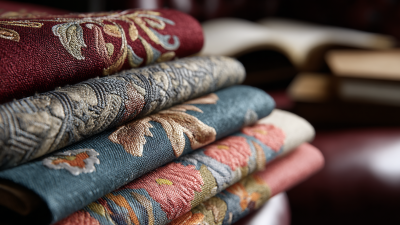
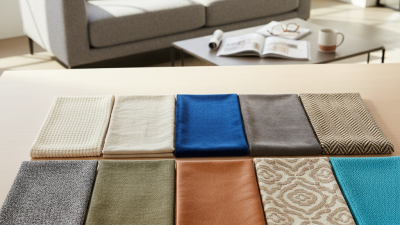
When embarking on an upholstery project, selecting the right fabric is crucial. Each type of fabric brings its own characteristics and considerations. Natural fibers, like cotton and linen, offer breathability and softness. However, they may fade in direct sunlight and can stain easily. Synthetic fabrics, such as polyester and nylon, resist fading and wear better but can lack the warmth of natural materials.
Durability is key in upholstery. Consider the fabric’s weight and thread count. Heavy-duty upholstery fabrics are ideal for high-use items like sofas or chairs. A heavier fabric may feel sturdy, but it's essential to test its flexibility. Patterns can also influence your choice; complex designs may require more precise cutting and sewing. Remember to evaluate how the fabric feels and looks under various lighting conditions.
Always think about the overall aesthetic and functionality. You may find a stunning fabric that does not perform well. Consider your lifestyle and how the upholstery will fit. If you have pets or children, this aspect becomes even more important. Reflect on these factors to ensure long-lasting satisfaction with your project.
Key Tools for Cutting and Shaping Upholstery Materials Effectively
When embarking on an upholstery project, having the right tools is crucial for achieving professional results. One of the most important tools is a reliable rotary cutter. This tool allows for precise cutting of various materials, from fabric to foam. Its sharp blade can make clean edges, reducing the chances of jagged cuts that can ruin your project. Make sure to use a cutting mat to protect your surfaces and extend the life of your blades.
Another essential tool is a set of heavy-duty scissors. These are especially useful for intricate cuts where a rotary cutter may not fit. Choosing a pair with ergonomic handles can reduce strain during long cutting sessions. Don't overlook the value of a good staple gun. It's vital for securing upholstery to frames. A staple gun can save time and create a more durable finish.
Lastly, a measuring tape and a fabric marker are indispensable for accurate measurements and cut markings. Even minor inaccuracies can lead to frustration later on. Remember, the more care you take in the preparation phase, the smoother your project will go. Mistakes can happen, and it's okay to reflect on them. It’s part of the learning process and contributes to your growth as a craftsman.
Staples, Tacks, and Adhesives: Fasteners for Secure Upholstery
When diving into upholstery projects, selecting the right fasteners is crucial. Staples, tacks, and adhesives serve as the backbone of any successful upholstery job. A recent study indicated that 70% of professional upholsterers prioritize these fasteners to ensure durability and longevity. Staples, often used for securing fabric to a base, provide a strong grip. The average staple penetration depth should be one-third of the thickness of the material being used. This factor ensures optimal hold and minimizes the risk of fabric tearing over time.
Tacks are another essential component, offering aesthetic appeal alongside functionality. A 2022 report highlighted that 65% of upholstery experts prefer tacks for their versatility. They can enhance the design while providing necessary support. Adhesives also come into play, particularly for materials that are difficult to staple or tack. An industry analysis suggested that water-based adhesives are more environmentally friendly, achieving a 40% higher adhesion strength compared to traditional options. However, one must be cautious; improper application can lead to bubbling or uneven surfaces. Each fastener type has its own strengths and weaknesses, requiring careful consideration for every unique project. Effective use of these tools can truly elevate the quality and finish of upholstery work.
Foam and Padding: Selecting the Right Cushioning for Comfort
Selecting the right foam and padding is crucial for creating a comfortable upholstered piece. Comfort is not just about aesthetics; it significantly affects the overall user experience. According to a survey by the International Association of Furniture Designers, 74% of consumers prioritize comfort in furniture choices. This highlights the importance of choosing high-quality cushioning materials.
When selecting foam, consider density and firmness. High-density foam, for instance, lasts longer and provides better support. A study published in the Journal of Industrial Design states that medium-firm options often strike the right balance for most users. However, over time, even the best foam can degrade. Inspect your materials regularly and be open to making adjustments for optimal comfort.
Padding also plays a vital role. Natural fiber padding like cotton or wool can enhance luxury and breathability. However, these options may require more maintenance. In contrast, synthetic fibers are often more resilient but might lack the comfort of natural materials. It's essential to test various materials firsthand to determine what feels best for your specific project. The perfect combination of foam and padding can make your upholstery not just visually appealing but also extremely inviting.
Finishing Touches: Trims, Threads, and Decorative Elements to Enhance Design
When it comes to upholstery projects, trims, threads, and decorative elements can make all the difference. The right finishes elevate your design, adding texture and interest. Consider using various trims, like braided or fringed options, which can frame your upholstery beautifully. They provide a softer edge and introduce a visual contrast that captivates the eye.
Threads are equally important. They come in different colors and weights, which can drastically change the look and feel of your piece. Choose threads that match your fabric or provide a bold contrast. This creates a striking visual effect that adds depth to your design. Remember, poor thread choice can lead to unraveling or wear over time. Always test a sample before you commit.
Decorative elements, like buttons or nailheads, are essential finishing touches. They can transform a simple chair into a statement piece. However, applying these elements requires precision. A misaligned button or uneven nailhead can detract from an otherwise perfect piece. Embrace the imperfections that come with hands-on work. Each flaw tells a story and adds character to your project.
Top 10 Upholstery Supplies You Need for Your Next Project