Top 10 Sofa Fabric Materials for Global Buyers to Consider
The choice of sofa fabric material significantly impacts comfort, durability, and aesthetics. According to a recent report by Technavio, the global upholstery market is expected to grow by 8% annually, driven by rising consumer demand for high-quality materials. Buyers today face a variety of options, each offering distinct characteristics and benefits.
Selecting the right fabric is not merely a matter of personal taste. It involves understanding how different materials perform under various conditions. For instance, natural fibers like cotton and linen offer breathability but may not withstand heavy use. Conversely, synthetic options like polyester are known for their durability but may sacrifice comfort.
As the market evolves, buyers must also consider factors like sustainability and maintenance. The trend towards eco-friendly materials is growing, with a survey indicating that 50% of consumers prefer sustainable options. However, not all eco-friendly fabrics provide the same durability or aesthetic appeal. Learning about these differences is crucial for making informed decisions in today’s diverse textile landscape.
Overview of Sofa Fabric Materials and Their Importance
Choosing the right fabric for a sofa greatly impacts both aesthetics and functionality. The fabric not only determines the look of the sofa but also affects its durability and comfort. A well-chosen material can elevate a living space and withstand years of use. However, many buyers overlook how fabric can influence maintenance and wear over time.
Different sofa fabrics have unique properties that cater to diverse lifestyles. For instance, natural fibers like cotton and linen offer breathability and softness. However, they may stain easily and require regular cleaning. On the other hand, synthetic materials like polyester are often more resilient, resisting wear and tear better than natural options. The challenge lies in finding a balance between style and practicality.
It's essential to consider the environment where the sofa will be placed. High traffic areas may necessitate tougher fabrics. In contrast, a sofa in a quieter space can be dressed in luxurious textiles. Buyers sometimes hesitate to invest in higher-quality materials, fearing they won't fit their budget. However, thoughtful selections can save money in the long run, as they reduce the need for frequent replacements. Balancing budget and durability is crucial for a successful purchase.
Top 10 Sofa Fabric Materials
Natural vs. Synthetic Sofa Fabrics: Key Differences
When considering sofa fabrics, natural and synthetic options present unique characteristics. Natural fabrics like cotton and wool are favored for their breathability and comfort. According to a 2022 report by the International Textile Manufacturer’s Association, about 40% of consumers prefer natural materials for their warmth and eco-friendliness. However, they can be prone to staining and fading, making maintenance a challenge for households with pets or children.
On the other hand, synthetic fabrics such as polyester and nylon offer durability and resistance to stains. These materials are often treated to repel liquids, which is appealing for many buyers. A recent survey showed that over 60% of buyers value easy-care synthetic options, especially in high-traffic areas. Despite their advantages, synthetic materials can trap heat and humidity, which may not be ideal for all climates. Additionally, their long-term sustainability is often questioned as most are derived from petroleum.
Choosing between natural and synthetic fabrics often depends on personal lifestyle and preferences. Understanding the key differences aids consumers in making informed decisions. Each fabric comes with its set of benefits and drawbacks, reflecting the complex choices buyers face today.
Top 10 Recommended Fabric Materials for Sofas
When selecting fabric materials for sofas, buyers face a myriad of choices. Natural fibers like cotton and linen rank among the top recommendations due to their breathability and comfort. Cotton, for instance, is a popular choice, accounting for approximately 30% of the upholstery market. It offers softness and comes in various patterns, making it versatile for different interiors.
Synthetic materials like polyester and microfiber also make the list. They boast durability and resistance to staining, which appeals to families with children. According to industry reports, polyester constitutes nearly 40% of the global sofa fabric market, highlighting its widespread appeal. Microfiber, often praised for its easy maintenance, is a practical option that combines style with functionality.
Lastly, some buyers lean towards blends, which merge the qualities of both natural and synthetic fibers. This approach often captures the best of both worlds. However, the environmental impact of these materials should be reflected upon. Sustainable choices are increasingly vital in today’s marketplace. Buyer education in this aspect directly influences the future of upholstery. Understanding the characteristics of each fabric remains essential for making informed decisions.
Factors to Consider When Choosing Sofa Fabrics
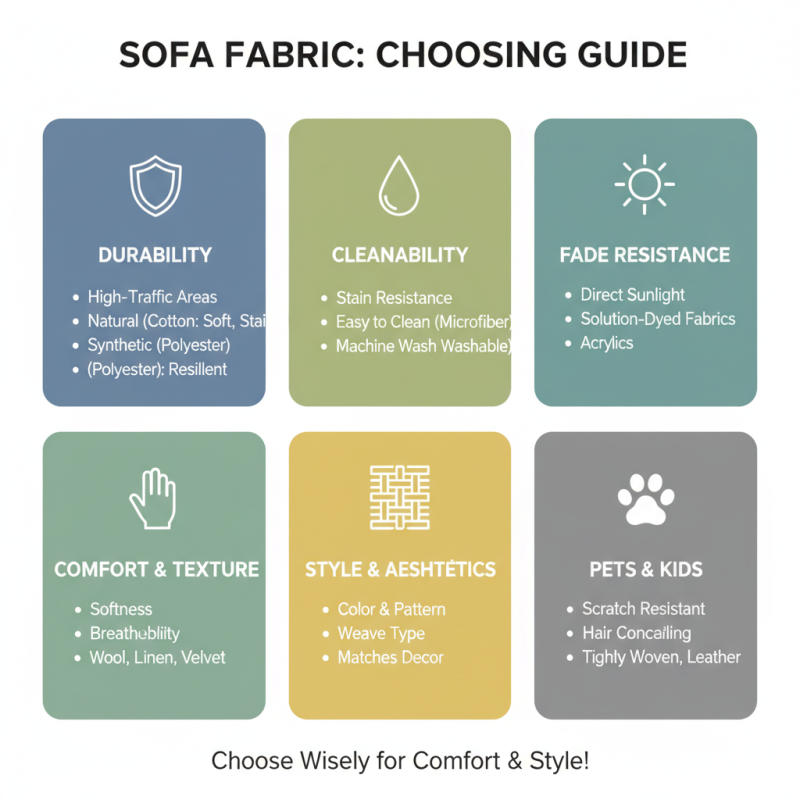
Choosing the right sofa fabric is crucial for both comfort and style. Several factors influence this decision. First, consider the fabric's durability. High-traffic areas require materials that can withstand wear and tear. Natural fibers like cotton are soft but may stain easily. Synthetic fabrics like polyester offer more resilience.
Another important aspect is maintenance. Some fabrics are easy to clean, while others require special care. For instance, linen looks chic but can wrinkle quickly. Velvet, on the other hand, feels luxurious but can be a challenge to maintain. Choose a fabric that aligns with your lifestyle and cleaning preferences.
When selecting upholstery, think about color and texture. Darker shades may hide stains better, while light colors can brighten a room. Textures add depth to your decor. Experiment with different combinations to find what suits your taste.
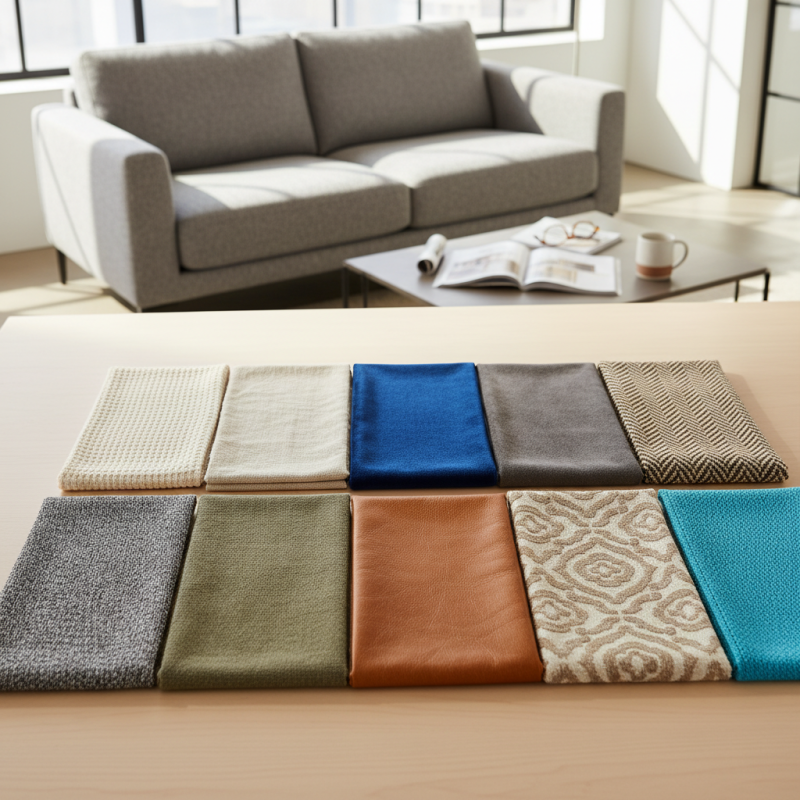
Tips: Always request fabric samples. This way, you can see how it looks in your space. Test durability with your hands; rub the fabric to gauge sturdiness. Don’t underestimate the importance of comfort. This will directly affect your relaxation experience. Make thoughtful choices, as they can lead to long-term satisfaction.
Maintenance Tips for Different Sofa Fabric Types
Selecting the right sofa fabric requires understanding its maintenance needs. Different materials demand unique care approaches. For instance, microfiber is durable yet may attract pet hair. Regular vacuuming helps maintain its appearance. According to a 2022 report by the Association of Textile Professionals, about 40% of sofa owners struggle with fabric upkeep.
Cotton is another popular choice. It's breathable and soft but prone to stains. An effective way to protect it is by using fabric protectors regularly. A study highlighted that 60% of consumers don’t apply preventive treatments, which can lead to premature wear. This neglect reflects a significant challenge in fabric maintenance.
Leather sofas exude luxury but also require dedicated care. Conditioning treatments every six months can enhance their lifespan. Research indicated that lack of maintenance can reduce leather's longevity by up to 30%. Understanding each fabric’s nuances is vital for maintaining beauty and function. Each type presents unique challenges demanding attention and proactive care.