

How to Choose Upholstery Accessories for Global Sourcing
Choosing upholstery accessories for global sourcing requires more than matching a trim to a fabric. It demands practical judgment, technical knowledge, and careful supplier verification. Furniture designer Charles Eames once said, “The details are not the details. They make the design.” His observation remains relevant when selecting piping, webbing, zippers, buttons, hinges, glides, and decorative hardware.
A reliable sourcing process begins with the finished product. A hotel sofa may need abrasion-resistant fabric, reinforced webbing, quiet glides, and fire-performance documentation. A dining chair may require tighter seam control and accessories that survive repeated cleaning. Measure every component. Record color standards, material composition, dimensions, tolerances, minimum order quantities, packaging, and lead times. Request physical samples, not only digital images. A screen can hide uneven dyeing, brittle coatings, or rough edges.
Test before committing.
Ask suppliers how they control batch consistency. Confirm whether certificates apply to the exact material and market. Review packaging details, because crushed piping or scratched metal can create expensive problems after arrival. Experienced buyers also compare total landed cost, not just the quoted unit price.
Still, sourcing decisions are rarely perfect. A beautiful sample may fail after repeated use. A low-cost accessory may increase assembly time. Even experienced teams can overlook a small size variation. That is why trial production, inspection records, and honest supplier communication matter. The strongest upholstery accessories strategy balances appearance, performance, compliance, availability, and long-term repair needs. It also leaves room to question assumptions before a global order becomes difficult to change.

Define Upholstery Accessories and Their Global Sourcing Roles
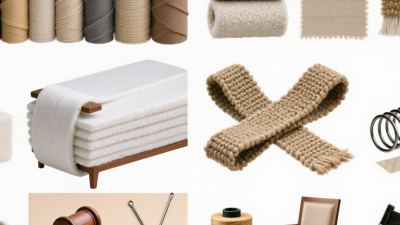
Upholstery accessories are the supporting components that complete upholstered furniture. They include webbing, springs, foam, batting, zippers, clips, buttons, tack strips, and protective glides. A chair may look complete, yet weak webbing can reduce comfort and shorten service life. These parts influence firmness, appearance, repairability, and production speed. Small parts matter.
In global sourcing, accessories connect design requirements with factory execution. Buyers should specify material, dimensions, load rating, color, surface finish, and packing method. For example, 50-millimeter elastic webbing needs consistent stretch, not merely an attractive sample. Suppliers should provide test reports, production samples, traceable lot numbers, and declarations for applicable regulations. Independent inspections can check thickness, tensile strength, moisture resistance, and odor before shipment. Measure twice.
From sourcing projects, I have learned that compatibility deserves more attention than low unit pricing. A zipper that fits one cushion may fail after repeated washing or temperature changes. A small tolerance error can create wrinkles across an entire sofa panel. I once approved a metal clip after checking appearance but not installation pressure. The batch was usable, though workers needed extra force during assembly. That delay exposed a weak approval process. Now, I compare samples with production tools, confirm carton protection, and review lead times against assembly schedules. Some specifications remain uncertain. That uncertainty should be recorded, tested, and discussed before purchase orders are released.
How to Choose Upholstery Accessories for Global Sourcing - Define Upholstery Accessories and Their Global Sourcing Roles
| Accessory Category | Definition | Global Sourcing Role | Common Materials | Important Specifications | Quality Checks | Sourcing Considerations |
|---|---|---|---|---|---|---|
| Upholstery Fabric | Decorative or performance textile used to cover furniture frames, cushions, and panels. | Defines appearance, comfort, durability, and market positioning of the finished furniture. | Polyester, cotton, linen, viscose, wool, acrylic, and blended fibers. |
|
Check shade consistency, weaving defects, seam slippage, pilling, shrinkage, and test certificates. | Confirm regional safety standards, roll length, minimum order quantity, lead time, and moisture protection during shipment. |
| Upholstery Leather and Synthetic Leather | Flexible hide or coated textile used as a durable furniture covering. | Supports premium appearance, easy cleaning, and differentiated product pricing. | Full-grain leather, corrected-grain leather, polyurethane-coated fabric, and PVC-coated fabric. |
|
Inspect surface uniformity, coating adhesion, odor, tensile strength, flex cracking, and color rub performance. | Review chemical compliance, restricted-substance documentation, storage conditions, and packing methods that prevent folding marks. |
| Upholstery Foam | Resilient cushioning material placed inside seats, backs, arms, and decorative panels. | Controls seating comfort, support, recovery, product life, and package weight. | Polyurethane foam, high-resilience foam, memory foam, latex foam, and rebonded foam. |
|
Verify density and hardness by batch, inspect cell structure, measure dimensions, and check recovery after compression. | Compare volume-based freight costs, compression packaging limits, odor requirements, and local fire-safety regulations. |
| Fiberfill and Cushion Fillings | Loose or sheet-like filling used to soften cushions, create loft, and improve surface comfort. | Fine-tunes comfort and shape while allowing different price and weight targets. | Polyester fiber, recycled polyester, cotton, down alternatives, feathers, and blended fillings. |
|
Check cleanliness, even distribution, recovery, foreign matter, odor, and filling-weight accuracy. | Use sealed moisture-resistant packaging and confirm labeling, hygiene documentation, and import restrictions for animal-derived materials. |
| Webbing and Support Straps | Woven or elastic bands installed across a furniture frame to support cushions and distribute loads. | Provides structural support and influences comfort, sag resistance, and service life. | Polypropylene, polyester, nylon, rubber elastic, and natural fiber blends. |
|
Test tensile strength, elongation, recovery, edge stability, fraying, and consistency across production lots. | Match strap performance to the frame design and verify compatibility with automated or manual installation equipment. |
| Springs and Spring Units | Metal components that provide resilient support beneath upholstered seating surfaces. | Contributes to load distribution, comfort response, and long-term seating performance. | Tempered steel wire, sinuous springs, pocketed spring units, and coil springs. |
|
Inspect dimensions, welds, coating coverage, spring tension, fatigue performance, and sharp-edge protection. | Consider metal weight, carton reinforcement, corrosion risk during ocean transport, and compatibility with frame tooling. |
| Thread and Sewing Supplies | Stitching materials used to join upholstery panels, attach labels, and create decorative seams. | Affects seam strength, visual quality, production efficiency, and repairability. | Bonded polyester, nylon, cotton, polyester-core spun thread, needles, and zippers. |
|
Check thread break strength, shade matching, lint, sewing performance, zipper operation, and seam appearance. | Standardize color references, spool sizes, machine compatibility, replenishment schedules, and humidity-controlled storage where necessary. |
| Zippers, Fasteners, and Hook-and-Loop Tape | Removable closure and attachment components used on cushions, covers, and upholstery panels. | Improves assembly efficiency, cleaning access, product maintenance, and replaceability. | Nylon coil, molded plastic, metal teeth, polyester tape, hook-and-loop materials, and snaps. |
|
Operate samples repeatedly, inspect tooth alignment, check tape strength, and test attachment and detachment force. | Confirm compatibility with fabric thickness, washing instructions, assembly methods, packaging, and replacement-part planning. |
| Trims, Piping, and Decorative Cord | Decorative or protective edging used to outline cushions, seams, arms, and furniture panels. | Enhances visual differentiation and can protect vulnerable edges from abrasion. | Polyester, cotton, polypropylene, leather, synthetic leather, braided cord, and covered welt cord. |
|
Check diameter consistency, braiding quality, color matching, fraying, flexibility, and attachment strength. | Coordinate trim dimensions with sewing templates and evaluate whether coiled packing may cause permanent deformation. |
| Tack Strips, Staples, and Upholstery Nails | Fastening hardware used to secure fabric, foam, webbing, and lining materials to a furniture frame. | Supports efficient assembly, consistent tension, and secure attachment of upholstery materials. | Galvanized steel, stainless steel, coated steel, plastic tack strips, and decorative metal. |
|
Inspect sharpness, coating coverage, dimensional accuracy, jam rate, pull-out resistance, and visible finish quality. | Match fasteners to frame material and pneumatic tools; control carton labeling to prevent mixing similar sizes. |
| Dust Covers and Lining Fabrics | Secondary textiles used underneath furniture or behind upholstery to conceal construction and reduce dust entry. | Improves presentation, protects internal components, and supports efficient finishing operations. | Nonwoven polypropylene, polyester, cotton blend, and knitted lining fabric. |
|
Check coverage, tear strength, edge stability, odor, color consistency, and resistance to staple penetration. | Prioritize clean packaging, roll-width accuracy, low lint generation, and compatibility with cutting and stapling processes. |
| Furniture Feet and Leg Components | Structural or decorative supports attached to the bottom of upholstered furniture. | Affects stability, floor protection, appearance, clearance, and final shipping configuration. | Solid wood, engineered wood, steel, aluminum, plastic, and rubber components. |
|
Verify dimensions, mounting strength, coating adhesion, wobble resistance, sharp edges, and floor-marking performance. | Assess corrosion protection, spare-part availability, carton protection, and dimensional impact on container utilization. |
| Protective Packaging Materials | Materials used to protect upholstered components from abrasion, moisture, compression, and contamination during handling. | Reduces transit damage, claims, rework, and quality loss across international supply chains. | Polyethylene film, nonwoven covers, corrugated cartons, molded pulp, foam sheets, and edge protectors. |
|
Conduct drop, compression, vibration, moisture, and abrasion checks appropriate to the shipping route. | Optimize cube utilization, recycling requirements, pallet configuration, container loading, and destination handling conditions. |
Related Posts
-

2026 How to Choose the Right Upholstery Accessories for Your Needs?
-

Top 10 Upholstery Supplies You Need for Your Next Project?
-
Top 10 Types of Upholstery Supplies for Global Buyers
-
How to Find the Best China Furniture Upholstery Suppliers?
-

How to Choose the Best Furniture Upholstery Fabric?
-

Best Upholstery Accessories to Elevate Your Home Decor?