

Blog

blog

Blog

blog

Blog

blog

Why Is Makeup Eyeshadow in High Demand Worldwide?

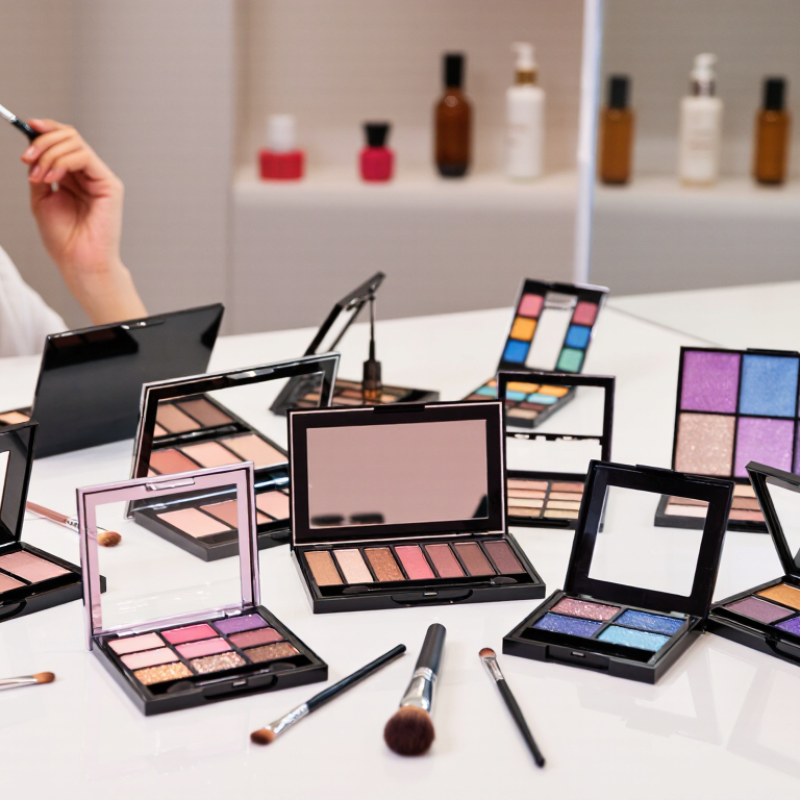
Makeup Eyeshadow has become a familiar part of beauty routines across many markets. Its appeal is practical and personal: a small palette can create a soft daytime wash, a defined crease, or a vivid look for an evening out. Consumers can choose matte, shimmer, or satin finishes, then adjust the color to suit their style, budget, and occasion. One compact product can offer many possibilities.

Beauty entrepreneur and makeup artist Bobbi Brown once said, “I believe all women are pretty without makeup—but with the right makeup can be pretty powerful.” That idea helps explain eyeshadow’s lasting appeal. It is not only about following trends. It gives people a quick way to experiment with color and express a mood. A neutral shade may feel dependable; a bright blue can feel playful. Sometimes, the smallest detail changes the whole look.

Demand also reflects wider shifts in shopping and beauty culture. Online tutorials make application easier to learn, while social platforms expose shoppers to new shades and techniques. Brands respond with varied palettes, portable formats, and products designed for different preferences. Still, popularity does not mean every palette suits every buyer. Shade selection, ease of blending, price, and product quality all matter. The market’s growth is worth examining, but it should not be reduced to trends alone. Understanding why Makeup Eyeshadow remains in demand means looking at its versatility, accessibility, and the personal choices behind each purchase.
Why Is Makeup Eyeshadow in High Demand Worldwide?

What Makeup Eyeshadow Is and How It Is Used

Eyeshadow is a color cosmetic applied to the eyelids and the skin around them. It comes in powders, creams, sticks, and liquid formulas. People use it to add color, create contrast, or make the eyes look more defined. A pale shade can brighten the inner corner; a deeper one along the crease adds depth. The effect depends on the formula, the brush or fingertip, and how much product is applied. Small details matter.

There is commercial interest, too. Grand View Research estimated the global eyeshadow market at USD 3.3 billion in 2022 and projected a 5.5% compound annual growth rate from 2023 to 2030. That estimate signals a sizable category, though market growth alone cannot explain why each person chooses a particular shade. For everyday use, a soft matte powder may be easier to blend; cream shades can feel more direct and vivid. Apply in thin layers, then build gradually. Clean brushes regularly, and stop if a product causes irritation. A sharp gradient is not always better. Sometimes the edges look uneven, and that is worth noticing rather than endlessly correcting.

How Eyeshadow Formulas and Formats Have Evolved

Eyeshadow formulas have evolved far beyond loose pigments and simple pressed pans. Pressed powders remain popular because they layer easily and blend with a soft brush. Creams and liquids use emollients or film-forming ingredients for smooth application and longer wear, though results vary by skin type. Texture matters. A dry powder can emphasize flaky lids, while a creamy formula may crease on oily skin.

Formats have shifted alongside the formulas. Single pans and palettes offer several shades in one case; pencils and sticks make targeted application easier on a crowded morning. Some newer products combine powder-like finishes with creamier textures. A fingertip can soften the edge of a stick shadow, while a small brush adds definition near the lashes. Convenient, but not always better.

These changes reflect different routines, not a single ideal product. A compact may suit travel, while a loose formula can create visible fallout beneath the eyes. Even “long-wear” claims depend on application, skin, and humidity. The category’s progress is not perfectly linear: more choices can also make shade matching and ingredient labels harder to navigate. Checking how a formula feels on the lid, and patch-testing new products, can help people choose more thoughtfully.

Why Is Makeup Eyeshadow in High Demand Worldwide? — How Eyeshadow Formulas and Formats Have Evolved

Dimension Format or Market Factor Factual Description Relevance to Consumer Demand
Traditional format Pressed powder Powder pigments are compacted with binding ingredients into pans. The format supports buildable application and is commonly sold in single shades or multi-shade palettes. Familiar application, shade combinations, and easy storage make pressed powder suitable for everyday use and more elaborate looks.
Loose-powder format Loose pigment and powder Unpressed powders can offer concentrated color, but may require more careful handling to limit spills and fallout during application. Appeals to users seeking strong color payoff or a flexible product for mixing and layering.
Formula development Matte, satin, shimmer, and metallic finishes Finish depends on the pigments and effect ingredients used. Mica-based pearlescent pigments, often coated with metal oxides, can create reflective effects; matte shades are formulated to appear less reflective. A range of finishes lets consumers create subtle daytime looks, contrast, dimension, and more dramatic makeup with the same product category.
Formula development Powder binders and texture Binders help pressed powders hold together and transfer to the applicator. Differences in particle size, pigment load, and binder system affect texture, payoff, and blendability. Consumers can choose among softer, more blendable textures and more intense color payoff, supporting demand for products tailored to different preferences and skill levels.
Alternative format Cream and stick eyeshadows Cream formulas use a more emollient base than conventional pressed powders; stick formats package a cream or wax-based product in a direct-application form. Direct application and the option to use fingers or a brush can make these formats convenient for quick routines and portable touch-ups.
Alternative format Liquid eyeshadows Liquid formulas are typically packaged with an applicator and may dry to a set finish. Their wear and feel depend on the specific formulation. Applicator-led placement and distinct finishes offer another way to apply color without relying on a traditional powder palette.
Product design Palettes and coordinated shades Palettes group multiple shades and finishes in one compact. Shade arrangements may support coordinated looks, from tonal combinations to contrasting colors. One product can provide several color options, encouraging experimentation and making palettes useful for both everyday and occasion makeup.
Consumer use Personal expression and makeup artistry Eyeshadow can change the appearance of eye shape and color through placement, blending, contrast, and layering. Techniques range from a single wash of color to detailed multi-shade looks. The product serves practical beauty routines as well as creative self-expression, giving it relevance across different occasions and styles.
Access and discovery Digital tutorials and social sharing Online videos and images make application techniques, color combinations, and finished looks easy to demonstrate and share across markets. Visual content can help consumers learn how to use different formats and discover new looks, supporting interest in a broad range of shades and finishes.
Market interpretation Worldwide demand drivers Interest is supported by the product’s range of formats, finishes, price points, and use occasions. Demand differs by region and is influenced by local beauty preferences, retail access, and consumer routines. These varied needs help explain the category’s broad international appeal without implying that demand or sales are identical in every market.
Note: This table summarizes established product characteristics and qualitative demand factors. It does not present market-size estimates or sales figures.

Why Consumers Choose Eyeshadow Across Different Markets

Consumers choose eyeshadow for different reasons, and local routines often shape what feels useful. In some markets, shoppers favor neutral shades that work for offices, school, or daily errands. Others look for vivid colors suited to celebrations, evening events, or creative looks. These preferences can vary within one city, too. Small details matter.

Texture is a practical concern. A finely milled powder may be easy to layer, while a cream formula can suit someone seeking quick application. Consumers also compare color payoff, blendability, wear time, and how easily a palette fits into a bag. Climate may influence these choices: heat and humidity can make lasting wear more important, though individual skin and habits matter just as much. No formula works perfectly for everyone.

Price, shade range, and packaging also affect decisions across markets. Some shoppers want a compact palette with dependable everyday colors; others prefer a wider selection for experimenting. Online images can help people discover shades, but screen colors do not always match real products. That mismatch can disappoint. Preferences may even conflict: a shopper can admire dramatic color yet repeatedly choose beige. This is not always a carefully reasoned decision, and that is part of what makes consumer demand difficult to predict.

How Beauty Trends and Digital Media Drive Global Demand

Eyeshadow is in high demand partly because beauty trends now travel through digital media at remarkable speed. A soft shimmer seen in a short video can inspire viewers across different countries within hours. Tutorials also make color feel approachable: a creator can show where to place a bronze shade, how to blend its edge, and what it looks like in daylight. Small demonstrations matter.

Social platforms encourage experimentation. Viewers encounter graphic liner, muted neutrals, and bright seasonal colors in the same scroll. They can compare finishes, save looks, and adapt them to their own eye shape or clothing. But screens can distort color. Ring lights make shimmer brighter, while filters smooth out texture. A shade that looks subtle online may feel much stronger in person.

Beauty trends are not identical everywhere. Local preferences, skin tones, climate, and daily routines influence which palettes seem useful. Digital creators can help by showing swatches on varied skin tones and explaining how formulas behave, such as whether a matte shadow needs careful blending. Still, a polished tutorial cannot represent every user’s experience. I may be giving online influence too much credit; affordability and easy access matter, too. Some shoppers want only two dependable shades, not a large palette. That practical need rarely goes viral.

Why Is Makeup Eyeshadow in High Demand Worldwide?

How beauty trends and digital media help bring eyeshadow looks to global audiences

A growing social media audience gives makeup tutorials, creator looks, and viral color trends more opportunities to reach consumers worldwide. Eyeshadow is especially suited to visual experimentation, but social media user growth is context for potential discovery—not a direct measure of eyeshadow sales.

Source: Statista, “Number of social media users worldwide, 2017–2028.” 2025–2028 figures are estimates/forecasts.

What Factors Shape the Worldwide Eyeshadow Market

Eyeshadow demand is shaped by more than seasonal colour trends. Consumers often want palettes that move easily from a soft daytime wash to a deeper evening look. That versatility can justify buying several shades at once. Texture matters. Matte powders suit understated looks, while shimmer and cream finishes offer visible change with little application time. Yet shade preferences vary across skin tones, climates, and local beauty habits, so one global trend rarely tells the whole story.

Price and product access also influence sales. A compact palette may feel practical when shoppers compare cost per shade, but unused colours can make it poor value. Online tutorials and short-form videos help people discover application techniques; physical stores still let shoppers judge pigment and texture directly. McKinsey’s 2023 beauty-market report projected roughly 6% annual growth through 2027, reflecting broader demand for beauty products, not eyeshadow alone. The distinction matters.

Retail data offer another useful, but limited, signal. Circana reported that U.S. prestige makeup sales rose 15% in 2023. This points to resilient makeup spending in one market and channel, not worldwide eyeshadow growth. Product launches, gifting seasons, and social trends can all shift demand, though their effects are difficult to separate. Some forecasts may therefore overstate steady demand; colours that look compelling on a screen do not always become everyday favourites.