

Blog

blog

Blog

blog

Blog

blog

Why Choose Laser Bird Repellent for Bird Control?

Bird pressure is becoming harder to manage around airports, farms, warehouses, and food-processing sites. The Federal Aviation Administration’s Wildlife Strike Database recorded 19,367 wildlife strikes involving U.S. civil aircraft in 2023. Birds represented the overwhelming majority of reported incidents. These events can damage engines, delay operations, and create serious safety concerns.

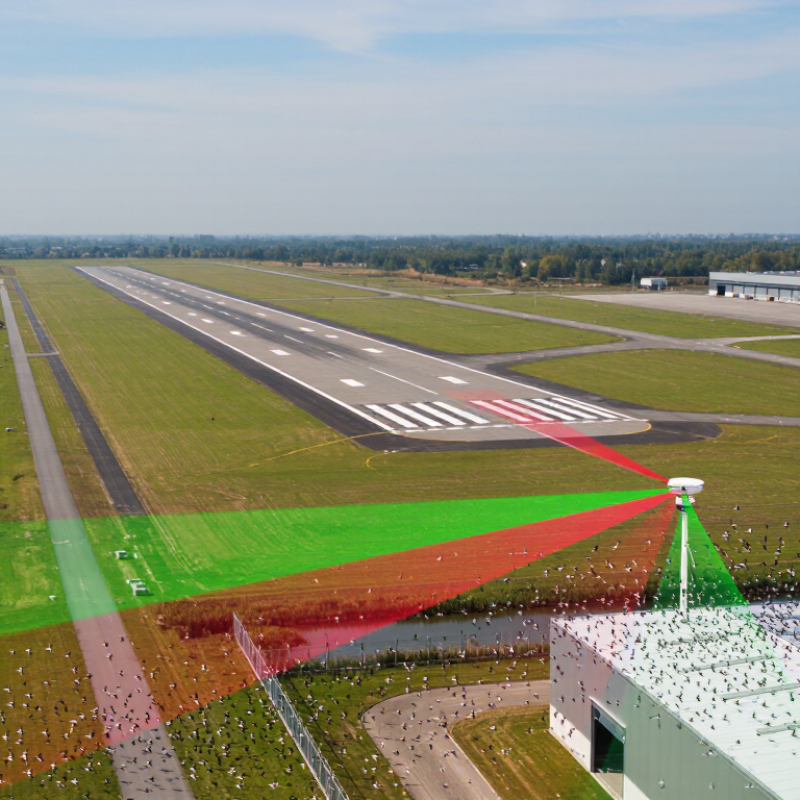
Laser Bird Repellent offers a non-contact option for reducing bird activity in open areas. A moving green or red beam can resemble an approaching object, encouraging birds to leave before they settle, nest, or gather. It creates no physical barrier across runways, roofs, ponds, or loading zones. That matters where netting, spikes, or frequent human patrols are difficult to install. The USDA APHIS Wildlife Services guidance on wildlife damage management also supports integrated, site-specific control rather than relying on one method alone.

The technology is not magic. It may work poorly in bright sunlight, heavy rain, or with bird species that quickly habituate. Results also depend on flight paths, operating schedules, vegetation, and correct device placement. A 2023 report from the Airport Cooperative Research Program, Wildlife Hazard Management at Airports, emphasizes monitoring, documentation, and layered prevention. That principle should guide every Laser Bird Repellent project. Begin with a bird count. Record landing times. Adjust the beam pattern when behavior changes. Review performance honestly. When properly selected, safely operated, and combined with habitat management, laser deterrence can reduce bird presence while preserving a cleaner, quieter working environment.-
Why Choose Laser Bird Repellent for Bird Control?

Laser Bird Repellent: How 532 nm Green Light Targets Avian Vision

Why Choose Laser Bird Repellent for Bird Control?

Laser bird repellent uses a 532 nm green light to influence how birds perceive their surroundings. Many bird species detect green wavelengths clearly, especially against darker roofs, fields, and water. When the moving beam crosses these surfaces, birds may interpret it as an approaching threat. They often change direction, leave a roost, or avoid landing nearby. The method works without physical contact. That matters around crops, warehouses, solar panels, and transport areas.

Practical field observations show that movement is more important than brightness alone. A slow sweep across ledges can attract attention, while random patterns may create stronger avoidance. However, bird responses differ by species, weather, hunger, and previous exposure. It is not a perfect fix. Some birds gradually ignore repeated patterns, particularly when food or nesting sites remain available. Rotating routes and combining the laser with habitat management can improve results.

Never direct the beam toward people, vehicles, aircraft, or reflective surfaces. Careful handling protects both wildlife and the public.

Professional evaluation should include bird behavior, site layout, and operating conditions. Operators should record landing numbers before and after treatment. They should also check whether birds simply move to a neighboring area. That detail is easy to miss. Green light can reduce pressure at one location, but responsible control requires continued observation and adjustment.

Bird Behavior and the Scientific Basis of Visual Deterrence

Why Choose Laser Bird Repellent for Bird Control?

Bird Behavior and the Scientific Basis of Visual Deterrence

Birds rely heavily on vision to find food, avoid predators, and navigate open spaces. Their eyes detect rapid movement and, in many species, ultraviolet light. A moving laser point can therefore resemble an unfamiliar threat across runways, warehouses, crops, and ponds. The effect is behavioral, not physical. Birds usually leave before contact occurs.

The FAA Wildlife Strike Database recorded more than 19,000 wildlife strikes involving civil aircraft in 2023. Birds represented most reported incidents. This figure shows the scale of the problem, although it does not prove that lasers solve every risk. USDA Wildlife Services guidance recommends habitat control, monitoring, and multiple deterrents rather than one isolated tool. That advice matters in real sites.

Laser systems work best during dawn, dusk, or low-light conditions, when the beam remains visible. Operators should vary movement patterns and inspect bird activity regularly. Repeated exposure may cause habituation. That weakness is easy to overlook. Field observations also change with species, weather, lighting, and nearby food sources. A 2020 review in the journal Animals found that visual deterrents can reduce bird presence, but performance varies considerably between locations. Professional wildlife managers should record counts before and after deployment. They should also check whether birds simply move to a nearby roof or field. Evidence improves when decisions follow measurements, not assumptions.

Comparing Laser Control with Nets, Spikes, and Acoustic Systems

Why Choose Laser Bird Repellent for Bird Control?

Bird control works best when the method matches the site. Nets create a physical barrier and suit large openings, but poor fitting can leave gaps or trap birds. Spikes are useful on narrow ledges, although dust, feathers, and nesting material may reduce their performance. Acoustic systems cover wider areas, yet nearby people may notice the sound, and birds can gradually become accustomed to repeated signals.

Laser control offers a contact-free option. A moving light can encourage birds to leave open fields, roofs, loading areas, and other vulnerable spaces. It requires clear visibility, careful timing, and regular observation. Bright sunlight, rain, reflective surfaces, or nearby obstacles can reduce its effect. In practical site assessments, combining laser use with habitat changes often produces better results than relying on one device. It is not magic. That matters.

Tips: Check flight paths before selecting equipment. Keep food waste and standing water away from roosting zones. Use nets for permanent exclusion, spikes for suitable ledges, and acoustic systems only where sound is acceptable. A trained technician should inspect installation quality and animal welfare risks. Start with a small trial, record bird activity, and adjust the approach. Some locations need more than one method. That is a useful lesson.

Laser Safety Standards: IEC 60825-1 and the 5 mW Class 3R Limit

Why Choose Laser Bird Repellent for Bird Control?

Laser bird repellents can discourage birds without nets, spikes, loud noise, or physical contact. A moving green or red beam crosses roofs, loading areas, and crop edges. Birds often interpret it as a threat and leave before landing. However, performance depends on species, lighting, weather, and site layout. Results are not automatic.

Laser bird repellents can discourage birds without nets, spikes, loud noise, or physical contact. A moving green or red beam crosses roofs, loading areas, and crop edges. Birds often interpret it as a threat and leave before landing. However, performance depends on species, lighting, weather, and site layout. Results are not automatic.

Laser Safety Standards: IEC 60825-1 and the 5 mW Class 3R Limit

IEC 60825-1 classifies laser products by accessible optical radiation and potential eye risk. For visible lasers, Class 3R commonly includes outputs up to 5 mW. The limit matters, but it does not mean the beam is harmless. Direct viewing can injure eyes, especially through binoculars, cameras, or other optical equipment.

Never aim a laser toward aircraft, roads, railways, windows, or occupied areas. Even brief glare can create serious hazards. A responsible installation uses controlled beam paths, warning signs, access restrictions, and trained operators. A site assessment should record reflective surfaces, nearby buildings, flight paths, and pedestrian movement. Local rules may require additional controls or approval, because IEC 60825-1 is a technical safety standard, not a universal operating permit.

In practical inspections, alignment can change after rain, vibration, or maintenance. That detail is easy to overlook. A 5 mW device may still create unacceptable exposure in the wrong location.

Bird behavior also varies, so monitoring is necessary. Reduce use when birds show no response, and review the plan honestly. Safety should guide every adjustment.

Measuring Results Through Bird Counts, Coverage, and Strike Data

Why Choose Laser Bird Repellent for Bird Control?

Measuring performance matters more than claiming instant results. Begin with a seven-day baseline. Record species, flock size, location, time, weather, and activity duration. Then divide the protected area into clear grid sectors. Count birds at fixed points, such as every 15 minutes. This creates comparable evidence instead of relying on visual impressions.

The FAA’s 2023 wildlife strike data recorded more than 19,000 reported wildlife strikes at U.S. civil airports. Birds represented most events. That figure shows why measured deterrence matters near airfields and other sensitive sites. Track laser coverage by mapping line-of-sight zones, blocked areas, and daily operating hours. A practical target is documented coverage for each high-risk sector, not an impressive total area. Smaller gaps can produce misleading results.

Compare weekly bird counts with baseline numbers. Also monitor strike reports, near misses, feather remains, and fresh droppings. A lower count is useful. A lower strike rate matters more. Results can change with migration, nesting, rain, and nearby food sources. Birds may also habituate. The method is not perfect. Review the data honestly.

The FAA Wildlife Hazard Management Manual recommends integrated, site-specific control programs. Laser use should follow aviation safety procedures and local operating requirements. Trained staff should pause operation when people, vehicles, aircraft, or reflective surfaces create risk. Field records need dates, photographs, equipment status, and operator notes. Without those details, “effective” remains only an opinion.