What Is an SPC Wall Panel Used For?
What Is an Spc Wall Panel Used For?
An Spc Wall Panel is designed to protect and refresh interior walls. It combines a rigid stone-plastic core with a decorative surface layer. The result is a stable panel for homes, offices, hotels, retail spaces, and other interior projects. Unlike ordinary paint, it can hide uneven surfaces, small marks, and dated finishes. Many panels also resist everyday moisture, making them practical for bathrooms, kitchens, laundry areas, and commercial washrooms. They are not a substitute for waterproof construction. That distinction matters.
Daniel Harper, an independent interior-surface consultant with experience in resilient wall materials, says, “An Spc Wall Panel works best when appearance, quick installation, and daily durability must share the same surface.” His comment reflects a common project decision. Contractors often choose these panels when renovation time is limited. A clean panel can cover a tired wall without extensive plastering. Some systems use interlocking edges, while others require adhesive or mechanical fixing. Installation details vary.
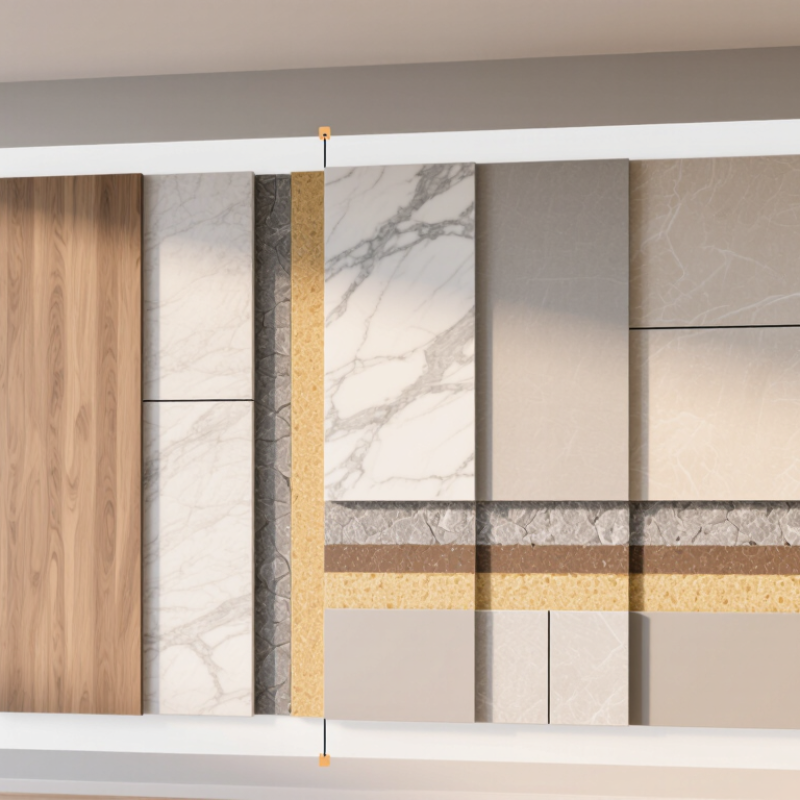
The panel can also create a warmer visual effect. Wood textures suit bedrooms and reception areas. Marble patterns suit shower walls and hospitality interiors. Stone finishes can add depth behind a reception desk. Still, product quality differs. Weak locking systems, poor expansion planning, or unsuitable adhesives may cause visible gaps later. I would not treat every Spc Wall Panel as universally suitable. Check the substrate, fire rating, moisture conditions, and manufacturer’s installation guidance before purchase. A good finish begins behind the surface.
What Is an SPC Wall Panel?
An SPC wall panel is a rigid interior wall covering made from stone plastic composite. Its core usually combines calcium carbonate, PVC, and stabilizing additives. A printed decorative layer creates the appearance of wood, stone, fabric, or a plain color. A protective surface helps resist daily scratches and stains.
The panel is designed for practical interior use. It can cover painted drywall, aging plaster, or uneven decorative surfaces after proper preparation. In bathrooms, kitchens, hallways, and commercial interiors, its low-porosity surface makes cleaning easier. Moisture resistance is useful near sinks and showers. Still, it should not replace a complete waterproofing system. Water may enter through joints or poorly sealed edges.
Installation commonly involves measuring the wall, cutting panels with suitable tools, and securing them with adhesive or mechanical fasteners. The wall must be dry, firm, and reasonably flat. Otherwise, small surface defects can become visible under strong lighting. Expansion gaps may also be needed around corners and fixed objects.
It feels solid.
SPC panels can improve a room quickly, but they are not maintenance-free. Sharp impacts may damage the surface, and excessive heat can affect some installation materials. I have found that product instructions deserve more attention than they usually receive. Panel thickness, fire rating, indoor air quality, and cleaning requirements should match the room’s actual conditions. A cheap installation can become an expensive repair.
How SPC Wall Panels Are Constructed
What Is an SPC Wall Panel Used For?
How SPC Wall Panels Are Constructed
An SPC wall panel is typically built as a layered sheet, not a solid slab of stone. Its central layer is a rigid composite made mainly from mineral filler and plastic resin. Manufacturers may add stabilizers to help the core keep its shape. The exact recipe varies by product, so checking its technical sheet matters. The core is dense and stiff. That matters during installation.
A printed decorative film gives the panel its visible finish, such as a stone pattern with fine grey veins. Above it, a clear protective layer helps resist everyday scuffs and stains. Some panels also have a backing layer to support bonding or improve stability. These layers are pressed together under controlled heat and pressure. If the layers are poorly bonded, edges may lift over time; installation conditions can contribute, too.
Panel edges may be designed to join together, while other systems rely on adhesive or mechanical fasteners. Installers need a flat, clean substrate and should follow the product’s guidance for expansion gaps and wet areas. A small uneven patch can show through, even when the panel looks perfectly flat at first. That is easy to overlook. SPC construction can make panels practical for interior walls, but it does not make every panel suitable for every room.
What Is an SPC Wall Panel Used For? - How SPC Wall Panels Are Constructed | Category | Typical Material or Detail | Purpose or Practical Use |
| Decorative surface | Printed decorative film with patterns such as stone, marble, or wood effects | Provides the visible finish for interior walls without using natural stone or timber. |
| Surface protection | Transparent wear layer, sometimes finished with a UV-cured coating | Helps protect the printed design from everyday scuffs and makes the surface easier to clean. |
| Rigid core | A composite generally made from PVC resin, calcium carbonate, and stabilizers | Gives the panel its shape and rigidity. The exact recipe varies by product. |
| Panel format | Panels are commonly supplied as boards or sheets; thickness and dimensions vary by product | Large formats can cover wall areas with fewer visible joints than small individual tiles. |
| Bathroom and laundry walls | Installed over a suitable, properly prepared substrate, with joints and edges sealed as required | Used as a decorative wall finish in areas exposed to splashes. It is not a substitute for correct waterproofing behind the panel. |
| Kitchen backsplashes | Smooth, wipeable wall surface behind sinks or along work areas | Helps simplify routine cleaning. Follow product guidance for heat exposure and installation near cooking appliances. |
| Living rooms and bedrooms | Feature walls, accent panels, and decorative wall sections | Adds a stone-, tile-, or wood-look finish to interior spaces. |
| Commercial interiors | Decorative wall cladding in settings such as offices, shops, and hospitality spaces | Can provide a consistent, easy-to-maintain finish where the selected panel is suitable for the site conditions. |
| Installation considerations | Adhesive or a mechanical fixing system, depending on the panel and substrate | A flat, sound substrate and installation in accordance with the product instructions help support a durable finish. |
Where SPC Wall Panels Are Commonly Used
Where SPC Wall Panels Are Commonly Used
SPC wall panels are often installed in bathrooms, laundry rooms, kitchens, and entryways. These areas face splashes, damp air, or frequent cleaning. In a bathroom, panels can cover walls near a vanity or shower, provided the installation system is suitable for that location. They are water-resistant, but seams and edges still need careful sealing. Small details matter.
In kitchens, panels may protect the wall behind a sink or along a breakfast nook. Their smooth surface is easy to wipe after cooking, though grease can collect around joints if the fitting is uneven. Utility rooms and basements are other practical choices, especially where painted drywall gets marked or feels cold. A panel can also create a clean backdrop in a shop, clinic, or reception area, where daily upkeep matters.
Some homeowners use SPC panels on a feature wall in a living room or bedroom. Wood-look finishes can add warmth without the upkeep of timber, while stone-like patterns suit a sharper interior. Still, these panels do not solve every wall problem. A damp substrate, poor ventilation, or an uneven surface can undermine the result. Check the wall first. In rentals or older homes, a removable-looking finish may seem simple, but installation can be less forgiving than expected. A sample panel helps reveal how its color changes under the room’s actual lighting.
SPC wall panels are commonly used in bathrooms, kitchens, laundry rooms, living areas, and commercial interiors. The chart gives a qualitative suitability rating based on typical priorities such as moisture resistance and ease of cleaning; it is not a measured market survey. Follow the product instructions for installation and use in wet areas.
Key Benefits of Using SPC Wall Panels
SPC wall panels are used in bathrooms, kitchens, utility rooms, and commercial interiors where wipe-clean surfaces matter. Their stone-plastic composite core is rigid, and many panels use interlocking edges or adhesive installation. That can reduce grout lines and simplify cleaning around sinks or shower surrounds. Check the product’s stated wet-area rating; “water-resistant” does not automatically mean suitable for continuous shower exposure.
Practical benefits include a hard-wearing surface, quick installation, and fewer joints where grime can collect. Details matter. An uneven wall can telegraph through a panel, while poor sealing around outlets may let moisture reach the substrate.
The United Nations Environment Programme’s 2022 Global Status Report found that buildings and construction accounted for 37% of global energy- and process-related CO₂ emissions in 2021. Choosing durable finishes may help avoid premature replacement, though a wall panel alone cannot guarantee lower lifecycle emissions. Ask suppliers for test documentation, care instructions, and installation limits, then compare those details with the room’s humidity and expected use.
Factors to Consider Before Installation
What Is an SPC Wall Panel Used For?
Factors to Consider Before Installation
SPC wall panels are used to cover interior walls in bathrooms, kitchens, laundry areas, and commercial spaces. Their rigid stone-plastic composite core can provide a wipe-clean surface where splashes and everyday marks are common. But “water-resistant” does not mean every joint is waterproof. A poorly sealed edge can let moisture reach the wall behind it.
Check the substrate before ordering. It should be firm, clean, dry, and reasonably flat; loose paint, damp plaster, or uneven tile can undermine adhesion. Measure each wall, including corners and openings, and confirm panel thickness, trim details, and installation clearances.
The U.S. Environmental Protection Agency reports that concentrations of some indoor pollutants are often two to five times higher indoors than outdoors. Ventilate during installation, especially when using adhesives, and follow their product instructions. Don’t guess about curing time.
Room conditions matter. Bathrooms need working extraction and careful sealing around plumbing penetrations.
In kitchens, consider heat exposure near cooktops and follow the panel maker’s stated clearance requirements.
For fire performance, request test documentation rather than relying on appearance: ASTM E84 reports flame-spread and smoke-developed indices, but those results do not automatically establish suitability for every building or location.
One awkward truth: a panel can look flawless on day one and still fail if the wall beneath it is damp. Check for moisture first.