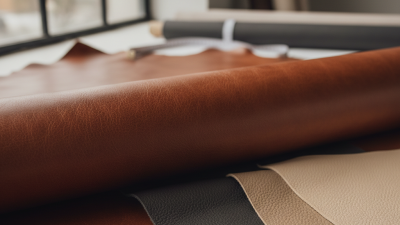
What is Upholstery Vinyl and How is it Used in Furniture?
Upholstery vinyl has become a popular choice in furniture design. This material is known for its durability and versatility. It is often used in various applications, from sofas to chairs. Unlike traditional fabrics, upholstery vinyl is easy to clean and maintain.
Many homeowners appreciate upholstery vinyl for its wide range of colors and textures. It allows for creative expression in interior design. However, some people question its comfort compared to natural materials. While it is smooth and sleek, it may lack the warmth of fabrics like cotton or wool.
Understanding upholstery vinyl's benefits and limitations is important for making informed choices. Its affordability and resistance to stains make it an appealing option. Yet, one must consider personal preferences in texture and feel. Finding a balance between practicality and comfort is essential.
What is Upholstery Vinyl and Its Composition in Furniture Design
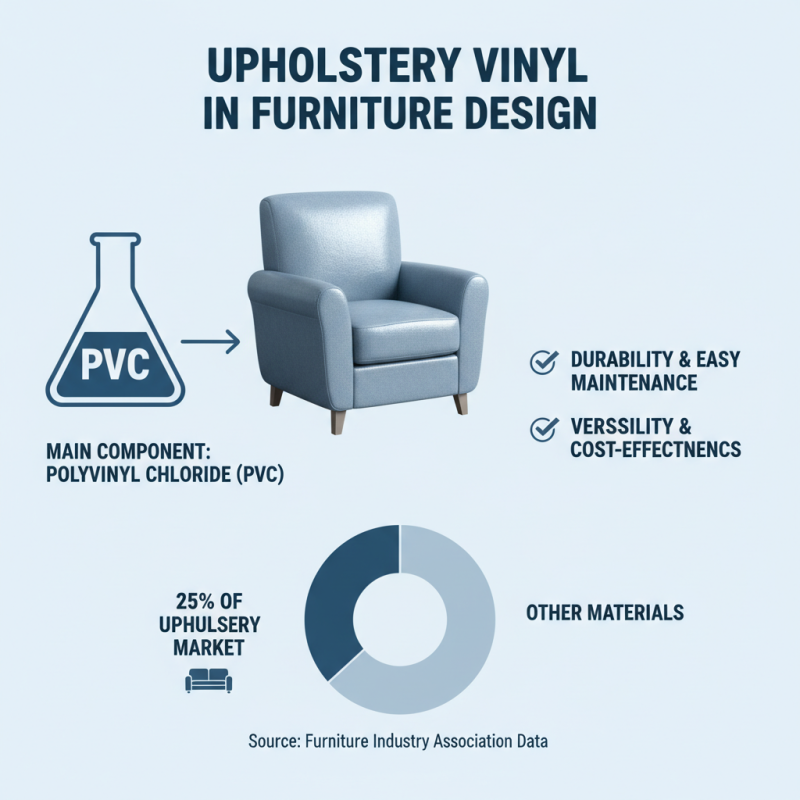
Upholstery vinyl is a synthetic material commonly used in furniture design. Comprised mainly of polyvinyl chloride (PVC), it offers durability and easy maintenance. This material has gained popularity due to its versatility and cost-effectiveness. According to recent data from the Furniture Industry Association, upholstery vinyl accounts for approximately 25% of the upholstery market.
One notable advantage of upholstery vinyl is its resilience against stains and spills. This characteristic makes it an attractive choice for households with children or pets. Furthermore, it can mimic the look of natural leather at a fraction of the cost. However, some reports indicate that it may not breathe as well as traditional fabrics, leading to discomfort in certain climates. These factors should be considered when selecting upholstery for a specific environment.
Additionally, vinyl is often produced with various textures and patterns. This customization allows designers to create visually appealing pieces while maintaining practicality. However, the environmental impact of PVC production raises concerns among sustainability advocates. Many experts emphasize the need for responsible sourcing and recycling practices in the upholstery industry to mitigate potential harm. Balancing aesthetic appeal with environmental responsibility remains a vital discussion within furniture design.
The Benefits of Using Upholstery Vinyl in Furniture Applications
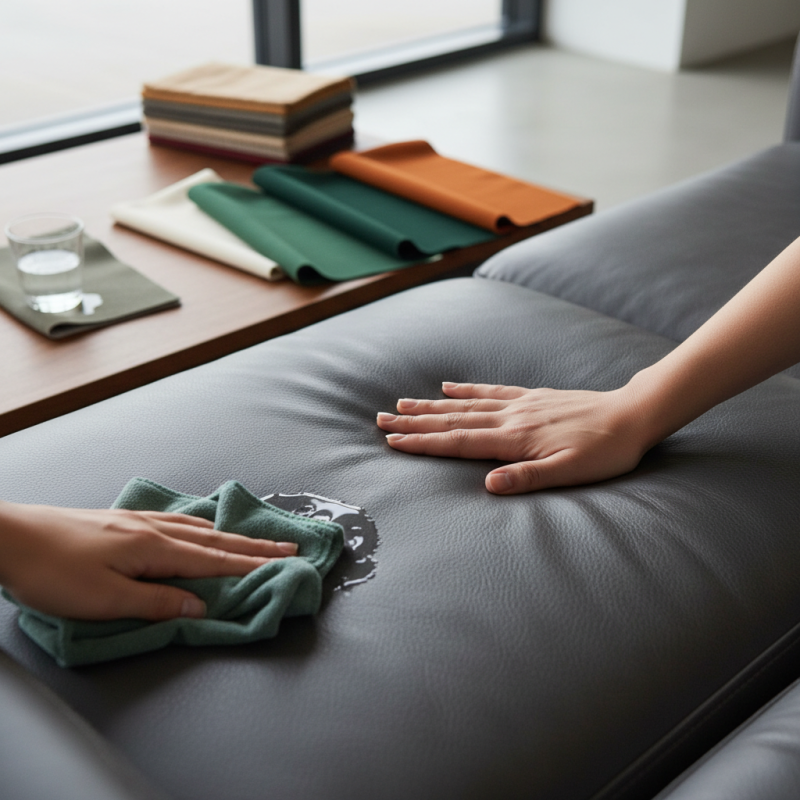
Upholstery vinyl is increasingly popular for furniture applications. It offers a range of benefits that make it a smart choice for both residential and commercial settings. One major advantage is its durability. Unlike traditional fabrics, vinyl withstands daily wear and tear. This is especially important in high-traffic areas. It resists stains and spills, making cleaning easy. A simple wipe with a damp cloth can keep surfaces looking fresh.
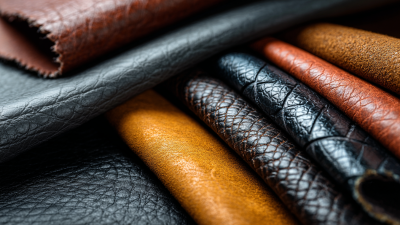
Another key benefit is the variety of designs available. Upholstery vinyl comes in many colors and textures. This versatility allows designers to create unique looks for their furniture. It can mimic leather, fabric, and other materials, giving users high-end aesthetics at a lower cost. While vinyl is visually appealing, it's worth noting that not all vinyls are created equal. Some options might have a plastic feel that is not comfortable.
Vinyl is also low maintenance, but it is not without its downsides. Over time, certain types may crack or peel, especially in extreme temperature changes. This longevity concern should be kept in mind when selecting vinyl for furniture. Potential users need to weigh durability against comfort and visual appeal. Understanding these factors helps ensure a well-informed choice in upholstery materials.
Comparative Durability: Upholstery Vinyl vs. Traditional Upholstery Fabrics
Upholstery vinyl is a popular choice for furniture due to its durability and versatility. Compared to traditional upholstery fabrics, vinyl shows impressive resilience. According to industry reports, vinyl can withstand heavy use, making it suitable for high-traffic areas. Tests reveal that upholstery vinyl can endure over 100,000 double rubs, while many fabrics fall short, lasting between 15,000 to 50,000. This difference highlights vinyl's strength in residential and commercial settings.
In addition to its impressive durability, vinyl is also resistant to stains and moisture. This quality reduces the need for frequent cleaning. Traditional fabrics often absorb spills, leading to potential damage. However, vinyl can be wiped clean, which is not only practical but also prolongs its lifespan. Such features make upholstery vinyl a smart option for families and pet owners.
Tip: Consider the environment where the furniture will be used. If it's a space prone to spills or heavy wear, vinyl is your best bet. Always check the cleaning specifications to maintain its integrity. When making choices, think about comfort versus practicality. Despite its advantages, some may find vinyl less breathable than natural fibers. Keep that in mind when selecting fabric for your furniture.
Comparative Durability of Upholstery Vinyl vs. Traditional Upholstery Fabrics
Environmental Impact of Upholstery Vinyl in Furniture Production
Upholstery vinyl is a popular choice in furniture design due to its durability and versatility. However, its production raises significant environmental concerns. Vinyl is primarily made from polyvinyl chloride (PVC), which involves toxic chemicals in both its creation and disposal. Many manufacturers overlook these impacts in favor of cost-efficiency.
The environmental effects of upholstery vinyl can be profound. During production, harmful pollutants can be emitted into the air and water. Additionally, the disposal of vinyl products often results in non-biodegradable waste. Even recycling options can be limited, leading to more landfill accumulation. These concerns highlight a growing need for more sustainable practices in furniture production.
There is potential for change, though it often feels slow. Innovations in materials could reduce the harmful impacts associated with vinyl. Some brands are incorporating eco-friendly alternatives, but widespread adoption remains a challenge. Awareness and demand for sustainable options are crucial in driving progress.
Common Uses of Upholstery Vinyl in Commercial and Residential Settings
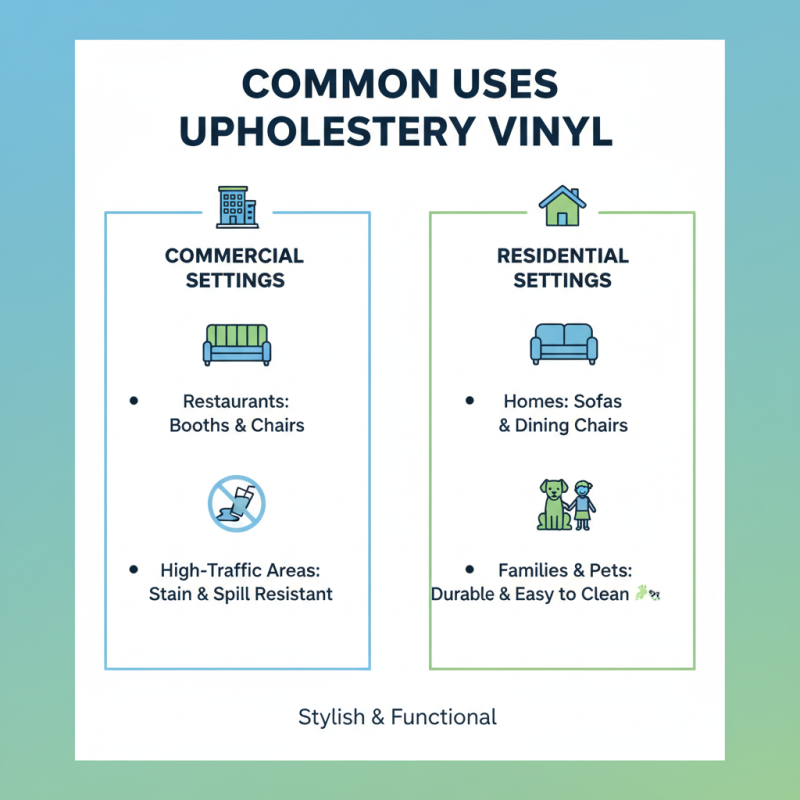
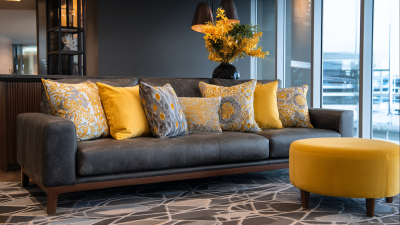
Upholstery vinyl is a popular choice for both commercial and residential furniture. Its durability makes it ideal for high-traffic areas. Restaurants often use it in booths and chairs. This material resists stains and spills, allowing for easy cleaning. Homes benefit too, especially with families and pets. Vinyl can be found on sofas and dining chairs. It provides a stylish look without sacrificing functionality.
In office settings, upholstery vinyl is favored for its resilience. Desk chairs with vinyl surfaces are common. They hold up well against daily wear and tear. Moreover, vinyl is available in various colors and patterns. This versatility helps match different interior designs. However, some may find vinyl less breathable than traditional fabrics. This could be uncomfortable in warm conditions.
While vinyl is practical, it's important to consider its longevity. Over time, the material may crack or fade, especially in direct sunlight. Maintenance is crucial to prolong its life. Regular cleaning helps preserve its appearance. Thoughtfully selecting the right type of upholstery vinyl can enhance not only aesthetics but also comfort and durability in any setting.