
Blog
Blog
Blog
What Are the Top Leather Upholstery Trends for 2026?
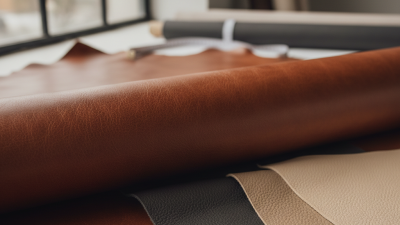
Leather upholstery in 2026 is less about showing off and more about making a room feel considered. Designers are exploring warm browns, muted olive, rust, and softer natural shades alongside familiar black. These colors pair easily with oak tables, linen curtains, and brushed metal details. Texture matters, too. A lightly pebbled surface or visible grain can add depth without making a sofa feel formal.
Comfort and longevity are shaping the conversation. Rounded silhouettes, generous cushions, and modular seating invite everyday use, while durable finishes may help furniture handle busy homes. Still, a coated surface can feel less natural to the touch. That trade-off deserves attention. Ask how a finish affects cleaning, breathability, and the way the material will age. A small swatch beside a window can reveal more than a polished product photo.
Responsible purchasing will remain part of the discussion, though claims vary between brands. Look for clear information about leather origin, processing, care, and repair options. Ask for specifics. Leather develops marks and changes over time; that character can be appealing, but it is not for everyone. No finish stays perfect. The best choice depends on how a household actually lives, from pets and sunlight to daily spills. This guide explores the leading leather upholstery directions for 2026, while separating practical design choices from passing visual trends. It also considers what buyers should question before choosing a piece that may stay in their home for years.
How Leather Upholstery Is Evolving in 2026
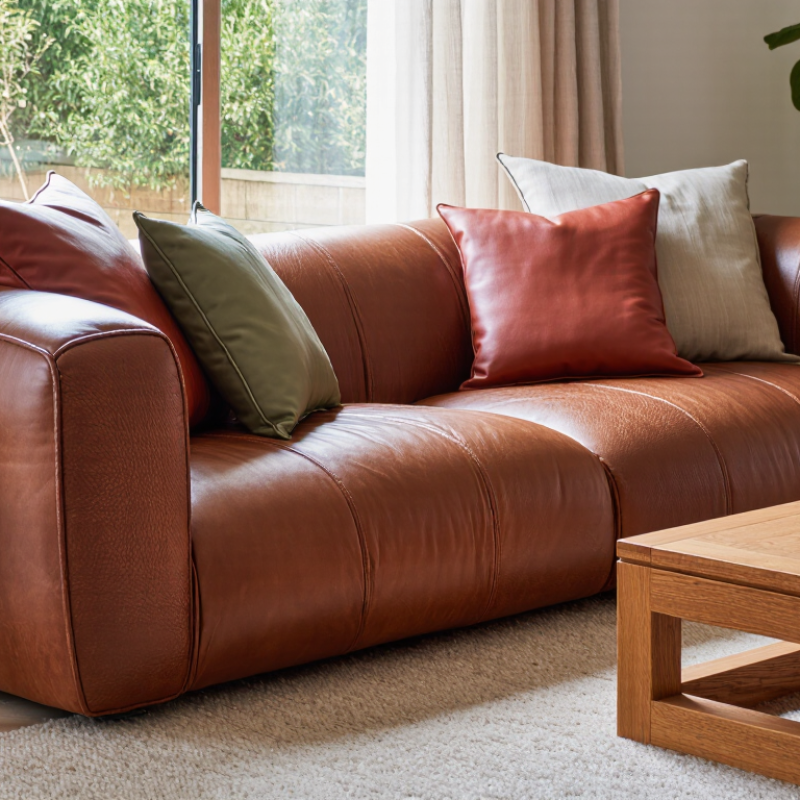
In 2026, leather upholstery is shifting from a polished, showroom look toward materials that feel personal and lived-in. Matte finishes, visible grain, and softly varied color let a sofa feel warm rather than overly formal. A saddle-brown armchair beside a textured wool rug is one simple example. The appeal is not perfection.
Designers and homeowners are also paying closer attention to how leather is made and maintained. Clear information about hide sourcing, tanning, and protective finishes helps buyers compare options without relying on vague labels. Repairable cushions and replaceable panels can extend a piece’s useful life. Good care matters. Dusting with a soft cloth and using cleaners suited to the specific finish can help prevent avoidable damage; harsh products may strip or discolor the surface.
Color choices are becoming more nuanced, too. Tobacco, olive, muted burgundy, and warm charcoal bring depth without dominating a room. Leather is increasingly paired with wood, linen, and brushed metal, creating contrast through texture instead of shine. Still, natural variation can surprise people: one hide may show more markings than another, and patina develops unevenly. That isn’t always the look a buyer expects, so viewing a large sample in the room’s actual light is a practical step.
Key Colors and Finishes Shaping Leather Furniture
Leather upholstery in 2026 is leaning toward grounded colors rather than high-gloss statement tones. Think tobacco, cognac, clay, olive, and softened burgundy, balanced with stone or warm gray. These shades add depth without requiring an entire room to revolve around one dramatic sofa. Deep colors can feel intimate, but they may show dust and scratches more clearly. Not every room needs a statement piece.
Finishes are becoming quieter, too. Low-sheen surfaces and visible grain let the leather’s texture take center stage, while glossy finishes create a sharper, more formal effect. Natural grain and slight color shifts can make a piece feel distinctive, though some people may see them as flaws. That trade-off is worth considering. Leather changes with use, light, care, and finish, so a swatch may not show exactly how a sofa will look over time.
Tips: Place a generous leather sample beside your flooring and curtains. Check it in daylight and evening light, feel the finish, and ask about care instructions before choosing. Keep frequently used seats away from direct sunlight where possible.
Popular Textures, Treatments, and Leather Types
For 2026, leather upholstery is moving beyond smooth, glossy surfaces. Expect more pebbled grains, gentle wrinkles, and brushed finishes that make a sofa feel less formal. Matte, lightly waxed treatments suit lived-in spaces, while protected finishes remain practical for busy homes. The trade-off is real: heavy coatings can mute leather’s natural texture. A tactile sample matters.
Leather type shapes the look and upkeep. Full-grain leather keeps visible marks and grain variation; corrected-grain leather offers a more even surface. Nubuck feels soft and velvety, but can show spills and handling more readily. Match the choice to the room, not just a showroom light. A sunny window or a curious pet changes the calculation.
Grand View Research’s leather-furniture market report projects a 5.9% compound annual growth rate through 2030. That signals continued commercial interest, though market growth cannot tell buyers which finish will age gracefully. Ask how the hide was treated, what cleaning it needs, and whether color samples shift under warm evening lamps. Even careful forecasts miss the small annoyances of daily use.
What Are the Top Leather Upholstery Trends for 2026?
Editorial outlook for popular textures, treatments, and leather types
Soft matte finishes, expressive natural textures, and full-grain leather stand out in this editorial outlook. Scores are qualitative ratings on a 1–5 scale, not measured sales, market-share, or survey data.
Furniture Styles Bringing Leather into Modern Spaces
Modern leather upholstery is moving beyond the oversized, dark sofa. In 2026, look for compact modular seating, softly curved lounge chairs, and slim-profile benches that leave more visible floor space. Warm cognac, muted olive, and tobacco brown pair naturally with pale oak, textured linen, and brushed metal. A single leather chair can add contrast without making a small room feel heavy.
Grand View Research estimated the U.S. furniture market at $259.49 billion in 2023, with projected annual growth of 4.7% from 2024 to 2030. That broad market outlook does not predict a specific leather style, but it reflects continued investment in home furnishings. For everyday use, choose protected leather where hands, pets, or sunlight reach it often. Aniline leather feels more natural, yet marks and fading show sooner. That trade-off is easy to overlook.
Tips: Match the silhouette to the room before choosing a color. Measure doorways, then test a leather swatch beside your flooring in daylight. Keep the rest simple. Still, leather can feel cold in winter; a wool throw helps, though it may not solve every room’s imbalance.
What Are the Top Leather Upholstery Trends for 2026? — Furniture Styles Bringing Leather into Modern Spaces
| Trend | Leather Look and Finish | Popular Colors | Furniture Styles | How It Fits Modern Spaces | Practical Consideration |
|---|---|---|---|---|---|
| Warm, earthy palettes | Natural-looking leather with visible grain and a soft, low-sheen finish. | Cognac, caramel, saddle brown, tobacco, and deep chocolate. | Sectional sofas, lounge chairs, dining chairs, and ottomans. | Warm brown tones pair easily with wood, stone, woven textiles, and muted neutral interiors. | Color and grain vary across hides; request a sample to check the shade in the room’s lighting. |
| Soft, lived-in character | Supple leather that develops a patina through use; natural marks may remain visible. | Chestnut, dark brown, oxblood, and weathered tan. | Relaxed sofas, reading chairs, and generous upholstered benches. | A gently aged appearance brings texture and a less formal feel to contemporary rooms. | Patina is part of the material’s changing appearance; follow care guidance and keep leather away from prolonged direct sunlight. |
| Sculptural silhouettes | Smooth or lightly grained upholstery that emphasizes curved forms and clean seams. | Espresso, cream, warm gray, and muted terracotta. | Curved sofas, rounded accent chairs, and compact conversation seats. | Leather gives simple, sculptural shapes a clear visual presence without relying on busy patterns. | Check the seat depth, back support, and dimensions; a striking shape should still suit everyday use. |
| Leather and contrasting materials | Leather combined with wood, metal, cane, or fabric details. | Brown or black leather paired with natural wood, dark metal, or neutral fabric. | Frame-exposed chairs, mixed-material dining chairs, and sofas with contrasting cushions. | Material contrast adds texture and helps leather feel at home in both modern and transitional interiors. | Check how the materials meet at seams and edges, especially on frequently used seats. |
| Compact, multifunctional pieces | Durable upholstery on streamlined forms with limited visual bulk. | Tan, cognac, charcoal, and other versatile mid-to-dark neutrals. | Apartment-size sofas, storage ottomans, and dining or desk chairs. | Leather’s defined surface can make practical furniture feel considered in smaller rooms. | Measure doorways and circulation space, and confirm the care requirements of the specified leather type. |
| Thoughtful material selection | Leather chosen with attention to its finish, origin, processing, and expected aging. | Natural shades that allow grain and surface variation to remain visible. | Long-use sofas, heirloom-style chairs, and frequently used family seating. | A focus on material character and longevity supports interiors designed for extended use rather than quick replacement. | Ask for clear information about leather type, finish, care, and repair options; terms and performance vary by product. |
Sustainability and Care in 2026 Leather Upholstery
In 2026, sustainability in leather upholstery means asking how the material was sourced, processed, and expected to last. Look for clear information about hide origins, tanning methods, and wastewater management rather than relying on broad “eco-friendly” claims. Leather can be durable, but its impact varies with production and maintenance. Repairable cushions and replaceable panels may extend a sofa’s useful life. The details matter.
Care is part of that equation. Dust a leather seat with a soft, dry cloth, especially along seams where grit can collect. Blot spills promptly; rubbing may spread moisture or affect the finish. Keep upholstery away from strong, direct sunlight and heat, which can dry or fade some leathers. Cleaning needs differ by finish, so follow the maker’s care guidance and test any product on a hidden area. Honestly, even careful routines cannot prevent every mark—and some wear tells the story of a well-used room.
Tips: Use a clean cloth for weekly dusting. Blot, don’t scrub. Check seams and contact points every few months for cracking or loose stitching. Small habits help. Avoid conditioning unless the care instructions recommend it; excess product can leave residue, and more care is not always better.
Related Posts
-
What is leather upholstery fabric and its benefits?
-
How to Choose the Best Leather Upholstery Fabric for Your Needs?
-
Exploring the Benefits of Eco Friendly Outdoor Fabrics for Sustainable Living
-
How to Choose the Best Outdoor Fabrics for Your Next Project in 2025
-
How to Choose the Best Outdoor Fabrics for Your Needs?
-
2025 Top 5 Sofa Upholstery Fabric Trends You Should Not Miss