Top Tips for Choosing the Best Thermal Sticker Paper?
When it comes to labeling, the choice of Thermal Sticker Paper can make a significant difference. Selecting the right paper ensures durability and quality in your labels. This guide will provide you with essential tips to choose the best Thermal Sticker Paper, focusing on key aspects to consider.
Quality matters. Opt for paper that offers clear printing and strong adhesion. Look for brands known for their reliability. User reviews can provide insights into performance. Additionally, consider the type of thermal printer you own. Not all papers work well with every printer model, which can lead to frustration.
Cost is another factor. While it may be tempting to go for cheaper options, they often compromise quality. Spending a bit more can save you from potential issues down the line. Keep in mind your specific needs, such as the environment where labels will be used. Some papers are better suited for harsh conditions. This reflection can guide you to make a more informed decision.
Understanding Thermal Sticker Paper and Its Applications
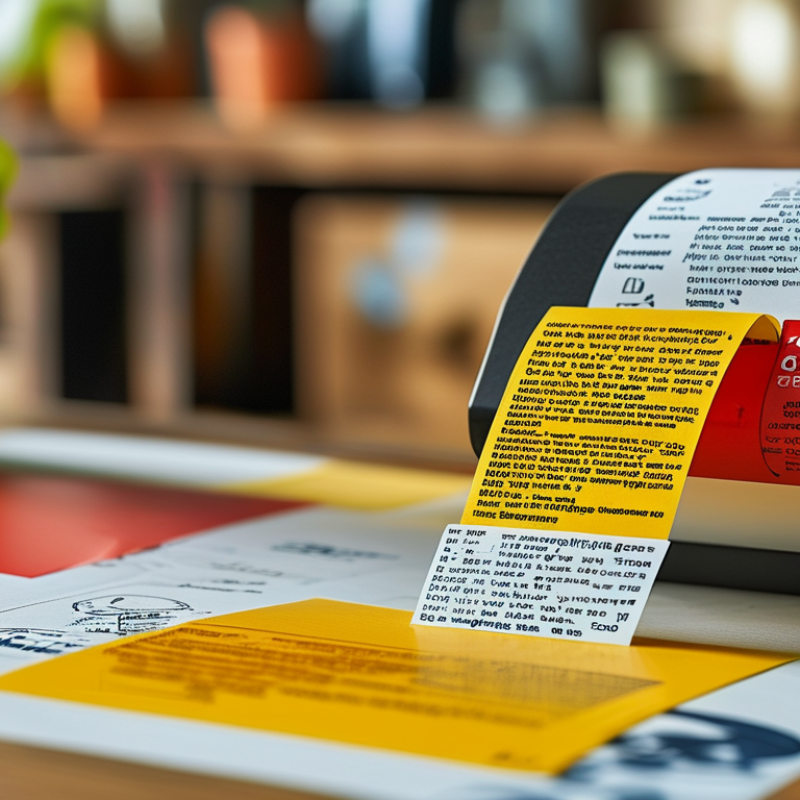
When selecting thermal sticker paper, understanding its applications is crucial. Thermal sticker paper is commonly used for shipping labels, barcodes, and receipts. Its ability to withstand varying conditions makes it versatile. Choosing the right type depends on the printer and environment. Opt for adhesive strength based on where the stickers will be applied. Some surfaces require more durable options.
Consider environmental factors. If stickers will face humidity, look for paper that resists moisture. Heat exposure can also compromise print quality. It’s wise to test the sticker paper before committing to a large purchase. This minimizes waste and ensures suitability for your specific needs.
Lastly, think about the finish. Matte and glossy options yield different results. A glossy finish can enhance colors, while matte may provide a professional look. Always review your printer specifications. Some printers perform better with specific paper types. Taking the time to understand these factors can make a significant difference in your projects.
Top Tips for Choosing the Best Thermal Sticker Paper
| Feature | Description | Best Use Cases |
| Material Type | Paper, synthetic (polyester, vinyl) | Shipping labels, product labels |
| Adhesive Quality | Permanent, removable, freezer-grade | Retail labels, freezer items |
| Print Quality | High-resolution capable, smudge-resistant | Barcode labels, inventory tags |
| Size and Format | Various sizes, compatible with different printers | Home office, warehouse shipping |
| Weather Resistance | Waterproof, UV resistant options | Outdoor labels, garden tags |
Key Factors to Consider When Choosing Thermal Sticker Paper
When selecting thermal sticker paper, several key factors come into play. The type of printer you have is crucial. Not all thermal printers support every type of paper. Check your printer's specifications to ensure compatibility. If you choose the wrong paper, it may lead to misprints and waste.
Another important consideration is the adhesive quality. Different applications require different adhesive strengths. For example, if you're labeling products that will be handled frequently, a stronger adhesive is necessary. Conversely, if the labels will be placed on temporary surfaces, a removable adhesive may be more suitable. Testing different options can be beneficial.
Temperature and humidity levels can also affect label performance. High heat can cause labels to peel, while high humidity may lead to smudging. Test your chosen paper in your specific environment. It's essential to reflect on your needs and adjust accordingly, as the best choice can vary from one situation to another.
Comparing Different Types of Thermal Sticker Paper
When choosing thermal sticker paper, it's crucial to compare different types to find the right fit for your needs. Various options include direct thermal paper and thermal transfer paper. Direct thermal paper is often used in shipping labels. It can produce clear images without ink. However, it may fade over time when exposed to heat or light.
On the other hand, thermal transfer paper requires a ribbon and offers more durability. It withstands environmental factors better than direct thermal paper. The trade-off is that it involves additional costs for ribbons. Users must consider the longevity of the labels they need.
Another factor to examine is the paper's adhesive quality. A strong adhesive will ensure that labels stick well, even in challenging conditions. Yet, not all adhesives are suitable for all surfaces. Some users report issues with residue left behind when labels are removed. It's important to weigh these aspects carefully. Testing a few types can help clarify what works best for your specific applications, allowing for more informed decisions in the long run.
Tips for Testing and Evaluating Thermal Sticker Performance
Testing thermal sticker performance is crucial for quality results. Start by printing a sample sticker and inspecting the clarity. Blurriness often indicates low-quality paper. Use different printers to evaluate how well the sticker adheres to various surfaces. Stickers that curl or peel easily might not meet your needs.
Next, consider exposure to different conditions. Place test stickers in sunlight, moisture, and heat. This helps assess durability and fading. Look for discoloration over time. An effective thermal sticker should maintain visibility and integrity in varying environments.
Lastly, check compatibility with your printer. Some papers work better with specific models. It’s common to find discrepancies in print quality. A brand you love may offer subpar results with another printer. Reflect on these aspects to ensure consistent quality in your thermal sticker projects.
Choosing the Right Printer for Your Thermal Sticker Paper Needs
When selecting a printer for thermal sticker paper, understanding the key features is crucial. You want a printer that can handle high-quality graphics. Look for ones that offer a minimum resolution of 300 DPI. This will ensure clear, sharp images on your stickers. Inkjet printers can work in some cases, but thermal printers are preferred for long-lasting results.
Another factor to consider is compatibility. Make sure the printer supports the specific type of thermal sticker paper you intend to use. Not all printers perform equally. Some may struggle with certain adhesives or weights of sticker paper. Research is vital here. User reviews can shed light on reliability and ease of use.
Don't overlook speed. If you have a large project, a slower printer may frustrate you. However, speed shouldn’t compromise quality. Some fast printers produce subpar images. Test small batches before committing to bulk printing. The perfect balance will save you time and money. These decisions require careful thought, especially if you're new to printing stickers.