

Blog

blog

Blog

blog

Blog

blog

How to Choose a Detachable Container House?

Choosing a Detachable Container House requires more than comparing prices and attractive photographs. The right model must fit its site, climate, transport route, and intended use. A house that looks efficient in a showroom may become expensive when cranes, foundations, insulation, or local utilities are added. Measure twice.

Roger Krulak, a recognized modular-construction executive, offers a useful principle: “Design for transport first; comfort must follow.” This idea shapes the selection process. Buyers should examine the container’s steel condition, connection system, wall thickness, roof drainage, and lifting points. They should also ask how often the structure can be dismantled without damaging panels, seals, wiring, or plumbing. Small details matter.

The following guide explains how to compare detachable container house suppliers, layouts, materials, and installation methods. It considers practical experience from temporary offices, worker accommodation, classrooms, and compact residences. A reliable supplier should provide engineering drawings, material specifications, assembly instructions, warranty terms, and realistic delivery information. Vague promises are warning signs.

Energy performance deserves close attention. Thin walls may reduce the purchase price, yet they can create uncomfortable interiors and higher cooling costs. Check insulation continuity, window quality, ventilation, and moisture control. Think about tomorrow.

The choice is rarely perfect. A cheaper design may be easier to transport but less adaptable later. A premium model may offer stronger finishes but exceed the site’s logistical needs. Careful comparison, professional inspection, and honest reflection can prevent expensive mistakes before the Detachable Container House arrives.
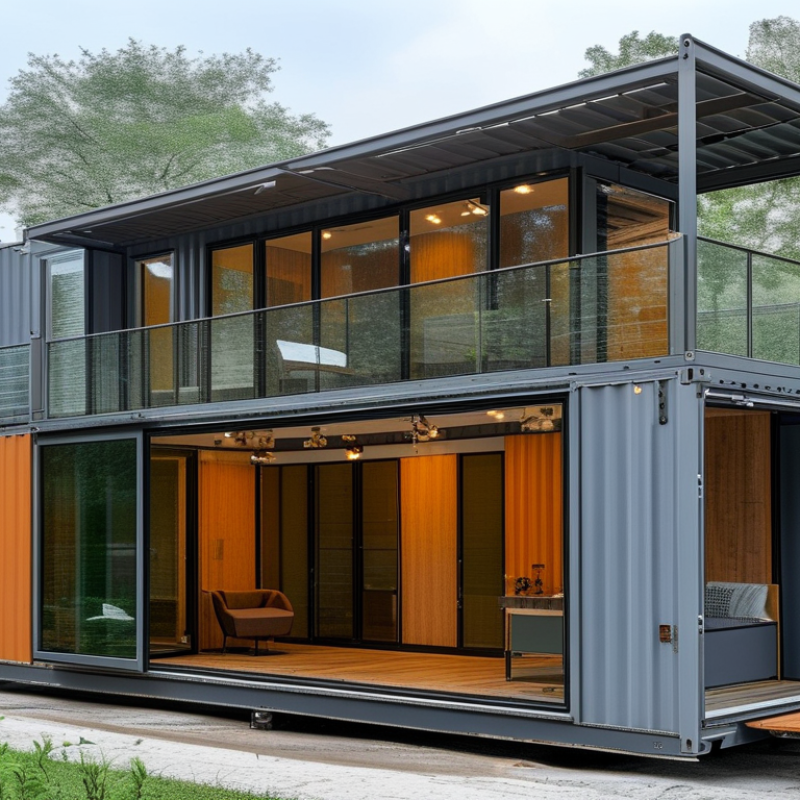
How to Choose a Detachable Container House?

Define Your Space, Budget, and Intended Use

How to Choose a Detachable Container House?

Define your space before comparing layouts or finishes. Measure usable floor area, not the exterior shell. A standard 20-foot container offers roughly 13.9 square meters inside, after insulation and wall lining. That space can fit a compact bedroom, kitchenette, and shower room, but circulation becomes tight quickly. Mark furniture on the floor with tape. Check door swings, window positions, storage depth, and access for maintenance. Real life is messier. A model may look spacious online, yet feel narrow beside a full-size bed.

Your budget should include more than the unit price. Allow for transport, lifting equipment, foundations, utility connections, insulation, drainage, permits, and site preparation. A 2019 modular-construction industry report found that factory-based methods can reduce schedules by 20% to 50%, while potential cost savings may reach 20%. These figures are not guarantees. Difficult sites, rushed changes, and local requirements can remove those advantages. Keep a contingency fund of at least 10% to 15%. It is uncomfortable, but realistic.

Intended use determines the right specification. A weekend studio needs different insulation, ventilation, and plumbing than a permanent home office. The International Energy Agency reports that buildings consume about 30% of global final energy and produce around 26% of energy-related emissions. Therefore, prioritize airtightness, shading, efficient heating, and cross-ventilation. Ask for tested insulation values and documented material performance. Also inspect hinges, seals, welds, flooring, and corrosion protection in person. Photos cannot reveal everything. A detachable house should move safely, remain comfortable, and suit the people using it.

Compare Detachable Container House Types and Structural Designs

Choosing a detachable container house starts with comparing its type and structural system. Flat-pack units transport efficiently and suit repeated layouts. Expandable units provide more interior space after installation. Foldable models are faster to deploy, but their hinges need careful inspection.

In field assessments, connection quality often matters more than appearance.

Check the joints. Do not guess.

A light-gauge steel frame reduces weight and supports frequent relocation. A reinforced steel frame offers better resistance to wind, snow, and repeated lifting. Stacked designs require stronger corner posts, floor beams, and vertical load paths.

ISO 668 container dimensions can guide transport planning, but they do not replace structural engineering. Verify lifting points, weld quality, floor load capacity, and corrosion protection before purchase.

A cheaper frame can become expensive after repairs.

Climate performance deserves equal attention. The 2023 Global Status Report for Buildings and Construction, published by UNEP and the GlobalABC, reports that buildings consume about 30% of global final energy. It also attributes roughly 26% of energy-related emissions to the building sector.

Therefore, compare insulation thickness, thermal bridges, roof ventilation, and window performance. A metal shell may feel secure, yet poor insulation creates condensation near wall panels.

I would also request tested fire performance and documented material specifications.

Marketing sheets are not enough.

Some designs look modular, but their site connections remain difficult to replace. That weakness is easy to overlook.

Evaluate Materials, Insulation, Safety, and Weather Resistance

How to Choose a Detachable Container House?

When choosing a detachable container house, inspect the frame, wall panels, floor, and connection points. Galvanized steel can resist corrosion, but coating thickness and weld quality still matter. Look for strong corner posts and accurately sealed joints. Ask for material specifications and structural test records. Thin panels may look attractive. They can fail earlier than expected.

Insulation affects comfort, energy use, and condensation control. Choose continuous insulation with few thermal bridges around windows, doors, and steel connections. Check the floor and roof, not only the walls. In cold weather, poor ventilation may create water drops behind interior panels. Safety also deserves close attention. Confirm fire-resistant materials, safe electrical installation, emergency exits, and stable anchoring. The house should suit local wind, rain, snow, and seismic conditions. A perfect checklist does not exist; site conditions often expose overlooked weaknesses.

Tips: Visit a completed installation after heavy rain if possible. Check for damp smells, loose trim, rust marks, and uneven doors. Request wind-load and fire-performance documents before purchase. Ask how panels can be repaired or replaced later. Weather resistance is not only about a strong roof. Drainage, flashing, door seals, and regular inspections work together. I would also question impressive claims without test evidence. That small hesitation can prevent an expensive mistake.

Check Transport, Installation, Utilities, and Local Building Codes

How to Choose a Detachable Container House?

Check Transport, Installation, Utilities, and Local Building Codes

Transport affects both cost and design. Measure the route, not just the house. Confirm bridge clearances, turning space, road weight limits, and delivery access. A narrow village road may need temporary parking or a smaller crane. Ask for the packed dimensions, lifting points, and total shipping weight. These details prevent expensive surprises.

Installation needs a realistic site plan. Inspect soil conditions, drainage, slope, and foundation requirements before ordering. A level platform can reduce adjustment work. Leave enough space for cranes, tools, and emergency access. Confirm how walls, floors, doors, and weather seals connect on site. One overlooked gap can cause water damage. Do not rely only on product drawings. Local ground conditions may differ greatly.

Utilities require early coordination. Plan routes for electricity, water, wastewater, ventilation, and heating. Check whether connections need licensed professionals or inspections. Ask about pipe protection during freezing weather. Then review local building codes, zoning rules, fire safety requirements, and energy standards. Approval may depend on use, location, foundation type, and occupancy period. Request written guidance from the local authority. Verbal advice can be misunderstood. No checklist is perfect, and I would leave time for revisions. A house that transports easily may still need costly changes before legal occupancy.

Assess Suppliers, Customization Options, Warranty, and Total Cost

How to Choose a Detachable Container House?

Supplier assessment should begin with evidence, not attractive renderings. Request factory inspection records, structural drawings, material specifications, and recent project references. A reliable supplier explains load calculations, insulation performance, fire protection, and installation steps clearly. Check whether customization affects certification, transport dimensions, or future relocation. Larger windows look appealing, but they may increase heat loss and structural reinforcement costs. Experience matters here.

Warranty terms deserve close attention. Separate coverage for the frame, waterproofing, electrical systems, fixtures, and appliances. Ask who pays for labor and transport when defects appear. Avoid vague promises such as “long-term protection.” The contract should define response times, exclusions, repair methods, and spare-part availability. Total cost includes the house, foundation, delivery, crane lifting, utility connections, permits, site preparation, and maintenance. The UNEP 2023 Global Status Report states that buildings and construction produced 37% of global energy-related emissions in 2022. Therefore, compare insulation, air tightness, glazing, and expected energy use, not only the purchase price. I would still treat energy estimates cautiously; actual bills depend on climate and daily habits.

Tips: Request an itemized quote with three scenarios: basic, customized, and fully installed. Visit one completed project if possible. Keep a contingency budget for ground conditions and local connection fees. A cheap quote can be incomplete.