How to Choose the Best Nail Polish for Your Nails?
Choosing the best nail polish is not simply about matching a color to your outfit. It also involves understanding your nail condition, polish formula, application habits, and removal routine. Healthy-looking Nail Polish Nails begin with a clean, dry surface and realistic expectations. A glossy finish may look attractive, yet it can hide peeling, ridges, or irritation underneath.
Before buying, examine the ingredient list and the product’s safety information. People with sensitive skin may prefer formulas labeled “hypoallergenic,” although this term does not guarantee a reaction-free experience. A dermatologist or qualified nail professional can offer more reliable guidance, especially when nails split, discolor, or become painful. Perform a small skin test when appropriate, and stop using the polish if burning, swelling, or persistent itching appears.
Color matters, but comfort matters more. Cream formulas often apply evenly, while glitter polishes can require extra soaking during removal. Use thin coats, allow each layer to dry, and avoid flooding the cuticle. Keep the brush clean. Small details change the final result.
Do not ignore removal.
Acetone can work quickly, but repeated exposure may leave nails and surrounding skin feeling dry. Applying cuticle oil afterward can help maintain flexibility, though it cannot repair serious nail damage. I used to think a long-lasting polish was always better; that assumption was too simple. Wear time, nail strength, ingredient tolerance, and removal ease must be considered together. This guide explains how to compare these factors and choose polish with greater confidence.
Understand Your Nail Type and Polish Needs
How to Choose the Best Nail Polish for Your Nails?
Understand Your Nail Type and Polish Needs
Your nails reveal more than their color. Their texture can guide your polish choice. Look at them in daylight. Peeling layers may suggest dryness, frequent soaking, or rough removal habits. Soft nails may bend under polish, while ridged nails can make color look uneven. These signs are useful, but they are not a medical diagnosis.
Thin nails often feel better with a flexible base coat than with a very hard, rigid layer. A ridge-filling base can create a smoother surface without heavy buffing. If your nails are oily, wash and dry them carefully before polishing. Avoid aggressive filing, which can weaken the natural plate. Dry cuticles may need daily oil or cream, especially after handwashing. Small routines matter.
Your lifestyle should shape the finish and formula. Choose a quick-drying option when you work with your hands, but expect it may need more careful removal. A cream finish usually highlights fewer surface flaws than shimmer. I once chose a dark shade for a chipped nail, hoping it would hide everything. It made the uneven edge more noticeable. That mistake changed how I match color with nail condition. Test one nail first, and stop using the polish if burning, swelling, or persistent redness appears.
Compare Polish Formulas, Finishes, and Ingredients
Choosing nail polish starts with the formula, not the color.
A traditional solvent-based formula usually dries quickly and creates a durable film. Nitrocellulose forms that film, while solvents keep the product spreadable. Plasticizers can improve flexibility and reduce cracking. However, a strong smell does not prove better performance. My own shortcut was choosing fast-drying polish, but it sometimes left my nails feeling dry and rough.
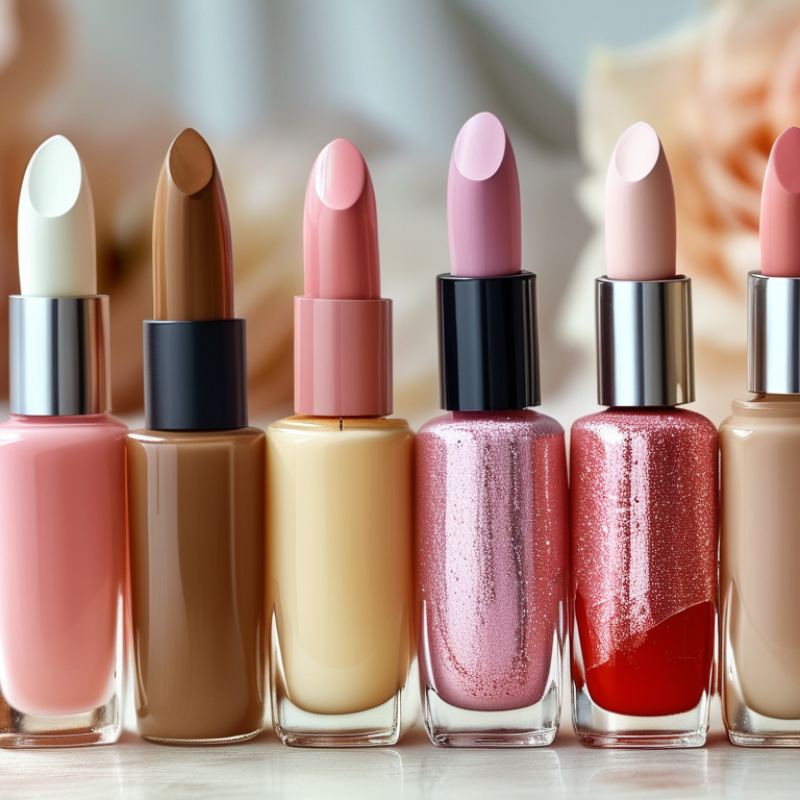
Finish changes both appearance and wear. Cream polish gives a smooth, classic surface and can hide minor ridges. Sheer formulas look lighter but may require several coats. Shimmer reflects light, while glitter creates texture and often needs careful removal. Gel-style polish can look glossy, yet its curing process requires suitable equipment and disciplined removal. Do not peel it off. That mistake can remove nail layers.
Ingredient labels deserve attention. The European Chemicals Agency and professional cosmetic-safety guidance emphasize checking allergens and following product directions. “Free-from” claims can be useful, but they are not automatic proof of safety. A 2024 Grand View Research analysis estimated the global nail polish market at about 14 billion U.S. dollars, showing how quickly formula choices are expanding. More choices can mean more confusion. Test a small area first, avoid damaged skin, and stop using the product if burning, swelling, or persistent redness appears. A dermatologist can help identify recurring reactions. Freshly painted nails should still feel like nails, not plastic shells.
Evaluate Application, Drying Time, and Durability
How to Choose the Best Nail Polish for Your Nails?
Choosing nail polish should begin with application, not color. A smooth brush should cover the nail in three controlled strokes. I test one coat on a clean nail before painting all ten. The formula should spread evenly without pulling or flooding the cuticle. Thin layers usually look neater. Very runny polish can stain surrounding skin. Thick polish may leave ridges and dry unevenly. I learned this after rushing through a manicure before work. It looked acceptable until the edges shrank.
Drying time deserves a practical test. I touch one painted nail lightly after five minutes, then wait longer before using my hands. Surface dryness can be misleading. A polish may feel dry while remaining soft underneath. Check by pressing two nails gently together, not by scraping them. Fast-drying formulas save time, but they may reduce leveling time. If the second coat drags, pause and let the first coat settle. My timing is not perfect. Room temperature, humidity, and coat thickness change the result.
Durability depends on more than the bottle. Clean nails, thin coats, and sealed free edges can reduce early chipping. I inspect the tips after washing dishes, typing, and showering. Chipping within one day suggests poor preparation or weak adhesion. However, no polish survives every routine equally. Flexible nails may need a flexible finish, while brittle nails may peel sooner. I once blamed the polish after hot water softened the layers. Record what happened, then adjust the next application.
Check Safety, Removal Methods, and Product Quality
Choosing nail polish should begin with safety, not color. I once ignored a strong chemical smell and wore polish for several days. My nails became dry and slightly rough. Now, I check the ingredient label, container condition, and ventilation before applying it. Avoid products with unclear labeling, leaking bottles, or unusually thick formulas. Stop using polish if you notice burning, swelling, itching, or skin redness. A dermatologist can help identify a possible allergy.
Removal matters just as much as application. Use a suitable remover and soak a cotton pad briefly instead of rubbing aggressively. Never peel or scrape polish from the nail surface. That can remove thin layers of keratin and create weak, splitting edges. Acetone-based removers work quickly, but they may increase dryness. After removal, wash your hands and apply cuticle oil or a fragrance-free moisturizer. I still sometimes leave polish on too long, which is a habit worth correcting.
Tips: Choose a fresh, evenly mixed formula with a clean brush and readable instructions. Test one nail first, especially if your skin reacts easily. Keep windows open during use, and avoid applying polish over painful, cracked, or infected nails. Quality is not only about shine. It also includes smooth application, predictable drying, secure packaging, and easy removal without force. Short breaks between manicures may help you notice changes in nail color, texture, or strength.