What is a Hot Mirror and How is it Used in Technology?
Hot Mirrors play a crucial role in the technology landscape, particularly in optical applications. These specialized filters selectively reflect infrared light while allowing visible light to pass through. According to a report by MarketsandMarkets, the global optical filters market is projected to reach $4.5 billion by 2025, with a significant rise in demand for hot mirrors. This growth underscores the importance of understanding the functions and applications of hot mirrors.
In fields such as photography, projection, and thermal imaging, hot mirrors enhance performance by managing thermal energy. In imaging systems, they prevent overheating, thus improving image quality and longevity of equipment. For instance, using a hot mirror in a projector can increase brightness and color accuracy. However, inappropriate usage can lead to suboptimal optical performance, reminding us of the need for careful implementation.
With advancements in technology, the application of hot mirrors continues to evolve. The integration of these filters in emerging technologies creates new opportunities, yet it demands expertise. Keeping pace with innovations, industry professionals must ensure hot mirrors are employed effectively to harness their full potential. Balancing quality and reliability remains essential in utilizing these optical filters.
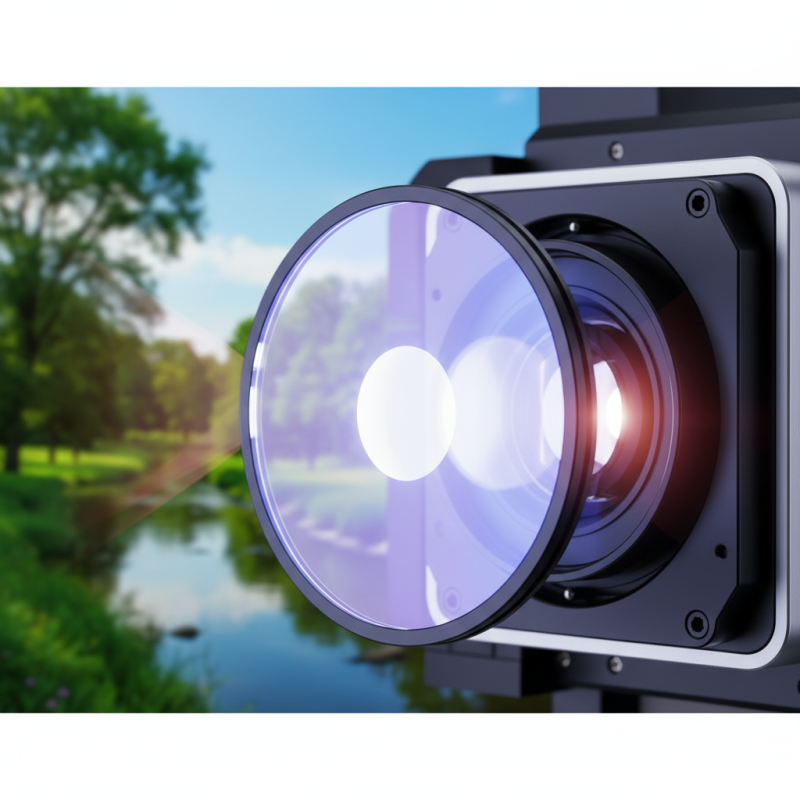
Definition and Basic Principles of Hot Mirrors
Hot mirrors are specialized optical components designed to reflect infrared light while allowing visible light to pass through. This functionality comes from their unique coatings, which are strategically applied to enhance their properties. In various technological settings, hot mirrors serve essential roles, particularly in applications involving light management and thermal regulation.
The basic principle behind hot mirrors relies on selective wavelength filtering. They operate by reflecting longer wavelengths, such as infrared, which carries heat energy, while transmitting shorter wavelengths that contribute to visible light. This principle is crucial in many devices, including projectors, lighting systems, and even thermal imaging cameras. The ability to distinguish between these wavelengths not only enhances image quality but also prevents overheating in sensitive equipment.
Hot mirrors are not perfect in all scenarios. Their effectiveness can vary based on the angle of incoming light and environmental conditions. Sometimes, they may not fully block all unwanted wavelengths, leading to inefficiencies. Understanding these limitations is vital for engineers and designers. Using hot mirrors wisely can lead to substantial advancements in technology, but there will always be challenges to consider.
What is a Hot Mirror and How is it Used in Technology? | Property | Description |
| Definition | A hot mirror is an optical filter that reflects infrared light while allowing visible light to pass through. |
| Function | Used to manage heat in optical systems and projectors by separating visible and infrared light. |
| Applications | Commonly found in digital projectors, camera systems, and IR heating applications. |
| Material | Typically made from glass with a special coating to achieve the desired reflective properties. |
| Types | Includes standard hot mirrors, dichroic filters, and custom-designed optical filters. |
| Benefits | Improves system efficiency by reducing heat buildup and protecting sensitive components. |
| Challenges | Requires precise engineering to balance heat reflection with light transmission properties. |
Common Applications of Hot Mirrors in Technology
Hot mirrors are optical devices designed to reflect infrared light while allowing visible light to pass through. They play a crucial role in various technological applications. In the realm of photography, hot mirrors enhance image quality by eliminating unwanted infrared wavelengths. This ensures that cameras capture only the visible spectrum, resulting in sharper images. According to a report by the Optical Society, the demand for high-quality imaging systems has increased by 30% in the last five years.
Another significant application of hot mirrors is in projection systems. Many projectors use hot mirrors to improve brightness and color accuracy. They reflect heat away from the projection lamp, extending the lifespan of the equipment. The market for digital projectors is projected to reach $5 billion by 2025, driven by this technology.
Tips: When choosing a hot mirror, consider the specific wavelength range your application requires. Always verify the mirror's specifications to ensure optimal performance. Regular maintenance of projection systems can also enhance their efficiency, leading to better visual experiences.
Common Applications of Hot Mirrors in Technology
This chart illustrates the common applications of hot mirrors in various technological fields, highlighting their significance in enhancing efficiency and performance.
How Hot Mirrors Function in Different Devices
Hot mirrors serve a crucial role in various technologies by selectively reflecting infrared light while allowing visible light to pass through. This function makes them valuable in applications such as projection systems and thermal imaging devices. For instance, in projectors, hot mirrors help to maintain color accuracy while preventing overheating. The precise engineering behind these mirrors involves specialized coatings that filter unwanted wavelengths effectively. This technology showcases the intersection of physics and practical application, emphasizing the need for careful design.
In thermal imaging, hot mirrors enhance the clarity of images by minimizing infrared interference. These devices rely on a delicate balance between sensitivity and resolution. Users may find limitations in scenarios with extreme temperature variations. Achieving optimal performance requires an understanding of environmental factors. Often, these mirrors are used alongside lenses that amplify their effectiveness. The interplay between different components can create complexities that demand continuous refinement. Users should acknowledge potential shortcomings, as reliance on technology can sometimes lead to unexpected challenges.
Advantages of Using Hot Mirrors in Optical Systems
Hot mirrors are critical components in various optical systems. They reflect infrared light while allowing visible light to pass through. This unique property makes them valuable in applications such as projectors and scientific instruments. The ability to filter out unwanted thermal energy keeps devices cooler, enhancing their efficiency and lifespan.
Utilizing hot mirrors can significantly improve performance. In projectors, they help maintain bright images while minimizing heat build-up. This prevents overheating issues in sensitive components. Additionally, hot mirrors contribute to better color accuracy in optical devices. They ensure that the visible spectrum remains unchecked by infrared interference.
However, not all systems benefit equally from hot mirrors. There are instances where the reflection of certain wavelengths can introduce unwanted artifacts. The design of optical systems must carefully consider this. Balancing heat management with optical fidelity is crucial for achieving the best results. Users should always evaluate specific needs before integrating hot mirrors into their systems.
Future Trends and Innovations in Hot Mirror Technology
Hot mirrors have gained attention for their unique properties in various applications. As technology evolves, the demand for advanced optical solutions increases. Future trends in hot mirror technology look promising, particularly with developments in efficiency and design.
Innovations are emerging that enhance the performance of hot mirrors. These new designs aim to improve heat resistance while maintaining high optical clarity. More efficient coatings and materials are being explored, which could push the boundaries of their applications.
A growing area of interest is the integration of smart technologies with hot mirrors. The ability to create dynamic, adjustable surfaces opens up possibilities in energy management and environmental control. However, balancing effectiveness and cost remains a challenge. Ongoing research in this field highlights the need for continuous refinement and optimization.