Top Furniture Upholstery Material Tips for Global Buyers?
Selecting the right furniture upholstery material can significantly impact your home or office. It determines the comfort, aesthetics, and durability of your furniture. As global buyers, understanding these materials is crucial. The market offers a wide array of options, from textiles to leathers. Each type has unique qualities that cater to different needs.
When choosing upholstery, consider the environment. High-traffic areas, like living rooms or office spaces, require durable materials. Fabrics like microfiber or leather offer great wear resistance. Natural fibers, such as cotton, provide comfort but may wear down faster. Buyers should also think about maintenance; some materials are easier to clean than others.
Additionally, sustainability has become a key factor in decision-making. Eco-friendly materials are gaining popularity among consumers. However, not all sustainable options offer the same quality. It’s essential to research the suppliers to ensure reliability. The right choice in furniture upholstery material reflects your style and lifestyle. Make informed decisions to enhance your space effectively.
Understanding the Key Types of Upholstery Materials in Furniture Design
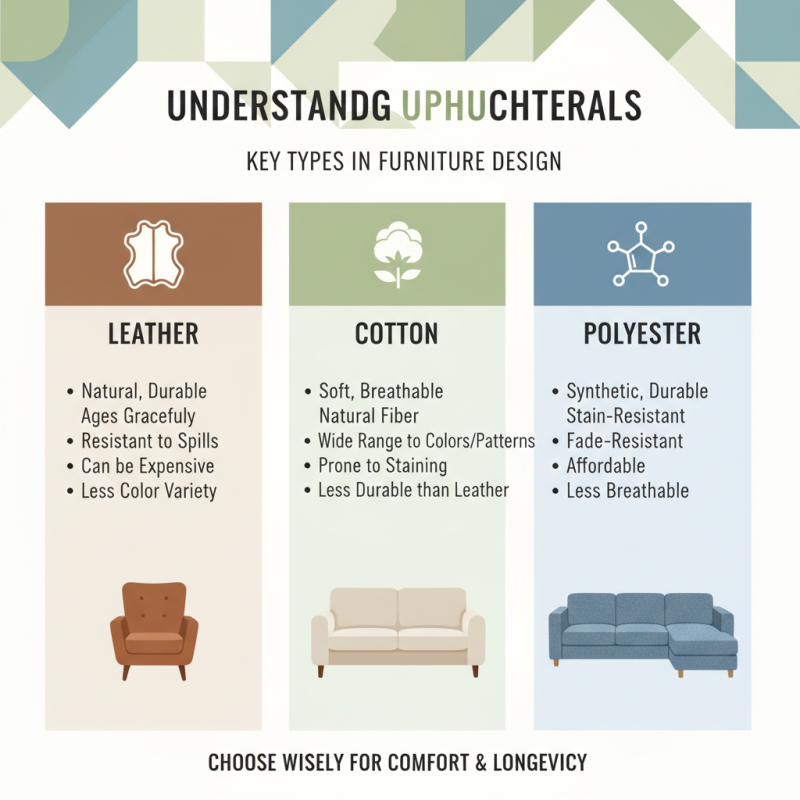
Understanding upholstery materials is crucial for furniture design. There are various types to consider. Each material has unique characteristics, benefits, and drawbacks. Common choices include leather, cotton, and polyester.
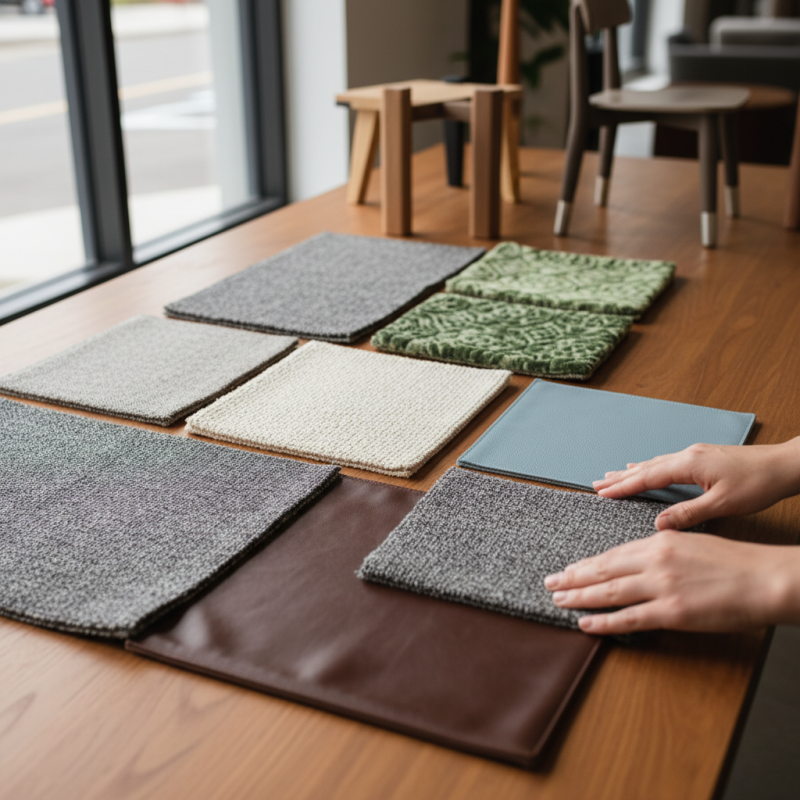
Leather is durable and easy to clean. It adds a touch of luxury. However, it can be expensive and may not suit every home. Cotton is soft and breathable. It's great for comfort and versatility. Yet, it can stain easily and requires more maintenance. Polyester offers durability and resistance to wear. This makes it a popular choice, but it may lack the natural feel found in other fabrics.
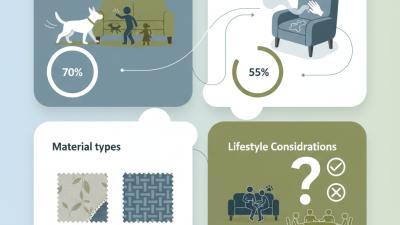
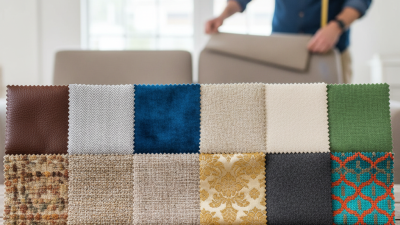
Tips for selecting upholstery materials: consider your lifestyle. Families with pets may prefer tough fabrics like leather or synthetic blends. For low-maintenance needs, look for stain-resistant materials. Take time to test fabrics. Feel their texture and see how colors look under different light. Remember, comfort should not be sacrificed for aesthetics. Choosing the right upholstery is a balance of style and function.
Evaluating Durability: Industry Standards for Upholstery Fabrics
When assessing upholstery fabric durability, industry standards play a crucial role. The durability of fabrics is often measured by the Martindale test. This method gauges how many rubs a fabric can withstand before showing signs of wear. High-quality upholstery fabrics typically score over 30,000 rubs, indicating they can endure heavy use.
Another critical aspect is the fiber content. For instance, synthetic fibers like polyester and nylon are often more resilient than natural fibers. According to the upholstery Fabric Association, polyester blends usually exhibit better resistance to fading and staining. Many buyers overlook this essential factor, leading to premature wear and tear.
Environmental factors also contribute to durability. Upholstery materials exposed to sunlight can degrade faster. Fabrics with UV resistance are vital for furniture in sunlit areas. Yet, only a few manufacturers clearly label these features. In choosing upholstery, it's essential to question the durability claims made by suppliers. This vigilant approach helps ensure that the investment in upholstery meets long-term expectations.
Sustainability in Upholstery: Eco-Friendly Material Choices for Buyers
Sustainability in upholstery is an essential consideration for modern buyers. As environmental awareness grows, eco-friendly materials are gaining popularity. Fabrics made from organic cotton, hemp, and recycled polyester are strong choices. These options reduce waste and have a lower environmental impact.
Eco-friendly upholstery does not mean sacrificing style. Many natural fibers offer a luxurious look while remaining sustainable. Linen, for example, is both beautiful and biodegradable. Yet, some buyers may overlook the durability of these materials. Natural fibers can wear differently than synthetic ones. Understanding this trade-off is crucial.
Choosing sustainable upholstery can be challenging. Some may hesitate to invest in eco-friendly options due to perceived costs. However, in the long run, these materials often prove to be cost-effective. With proper care, they can last longer than their traditional counterparts. Buyers must evaluate their needs against personal values.
Top Furniture Upholstery Material Tips for Global Buyers
| Upholstery Material |
Sustainability Rating |
Durability (Years) |
Maintenance Level |
Water Resistance |
| Organic Cotton |
High |
5-10 |
Low |
No |
| Recycled Polyester |
Medium |
7-12 |
Medium |
Yes |
| Bamboo Fabric |
High |
5-10 |
Medium |
No |
| Hemp Fabric |
High |
10-15 |
Low |
Yes |
| Soybean Fiber |
Medium |
5-7 |
Medium |
No |
Price Comparison: Cost-Effective Upholstery Materials by Global Standards
When selecting upholstery materials, price is a crucial factor for global buyers. Different regions have varying standards for what constitutes "cost-effective." For example, synthetic blends can be cheaper in Asia compared to natural fibers in Europe. Understanding these price dynamics can help buyers make informed decisions that align with their budget.
Texture and durability vary widely among options. For instance, polyester is often affordable yet surprisingly resilient. In contrast, high-quality linen can cost more but may not last as long in high-traffic areas. The choice depends on the intended use of the furniture. Some less expensive materials might fail under constant wear, necessitating more frequent replacements.
Buyers may overlook local manufacturing options that offer both quality and affordability. Sourcing materials from nearby suppliers can reduce transportation costs and support local economies. However, just because a product is cheaper, it doesn't mean it's always the best choice. Testing the durability and feel of materials before purchase is essential to ensure long-term satisfaction. A careful balance between price and quality is necessary for a successful upholstery project.
Trends in Upholstery: Consumer Preferences and Market Insights for 2023
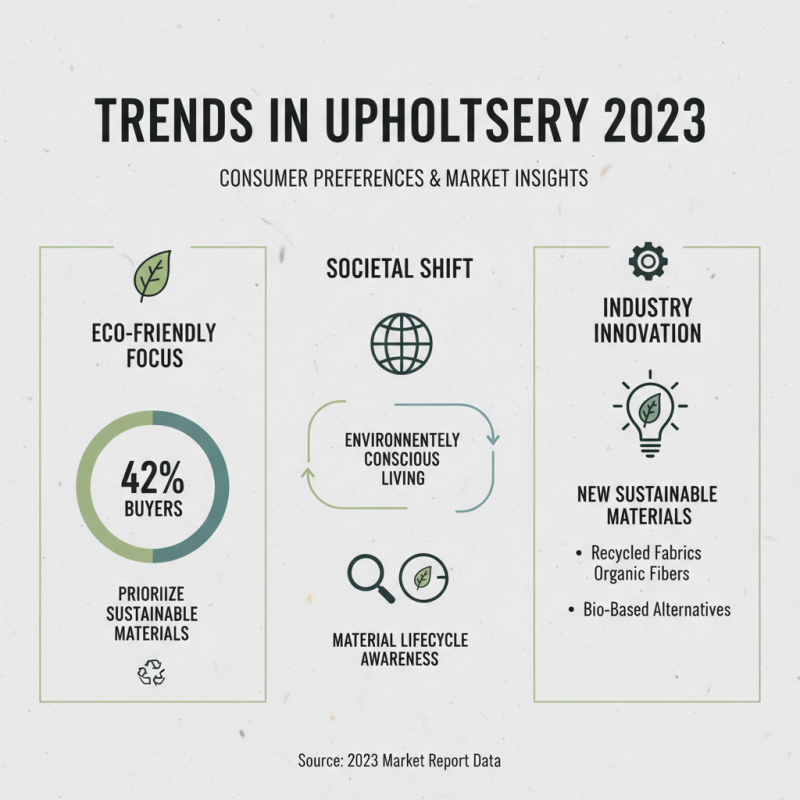
In 2023, consumer preferences in upholstery are shifting significantly. A recent market report highlights a growing demand for sustainable materials, with 42% of buyers prioritizing eco-friendly options. This trend reflects a broader societal shift towards environmentally conscious living. Many consumers now seek to understand the lifecycle of the materials they choose. This awareness is driving innovation in the upholstery industry.
Tips for buyers include considering material versatility. Durable fabrics like polyester blends offer longevity while maintaining aesthetic appeal. Additionally, buyers should not overlook the importance of texture. Soft-touch finishes enhance comfort and can make a significant difference in user experience. Experts suggest testing fabric samples in different lighting conditions to see how they react.
Moreover, patterns and colors play a crucial role in consumer choices. There is a noticeable preference for bold, vibrant designs, with 37% of buyers indicating they favor statement pieces. Yet, a common misstep is neglecting how these choices fit into existing decor. Buyers should assess their overall space to ensure harmony between upholstery and surroundings, enhancing both style and function.