

Blog
Blog
Blog
How to Choose an Electric Scooter Ebike for Global Buyers?
Choosing an Electric Scooter Ebike for global use requires more than comparing advertised speed and battery size. The market is expanding, but product quality varies sharply across regions. The International Energy Agency’s Global EV Outlook 2024 identifies electric two- and three-wheelers as the most electrified road-transport segment, especially in China and Southeast Asia. That growth creates opportunity, but also confusion.
Look beyond attractive numbers. A 500Wh battery may sound powerful, yet real range changes with rider weight, hills, temperature, tire pressure, and cargo. Check the testing method. Ask whether the range figure reflects laboratory conditions or daily commuting. Small details matter. A loose charging port is not small. Battery cells, braking performance, frame strength, water resistance, and replacement-part availability deserve equal attention. The International Transport Forum’s Safe Micromobility work also emphasizes speed management, vehicle design, visibility, and infrastructure as practical safety factors.
Global buyers should verify local requirements before ordering. Rules can differ for maximum speed, motor output, lighting, helmets, registration, and where the vehicle may be ridden. Certification marks help, but they do not replace careful supplier verification. Request test reports, warranty terms, battery documentation, and service contacts. Independent reviews are useful, although some are influenced by sponsorship. That is easy to miss.
No single model wins everywhere. A lightweight scooter may suit a flat city, while a stronger ebike handles steep streets and heavier loads. I would not trust one impressive specification. Compare the complete ownership experience: purchase cost, delivery, maintenance, charging access, and resale value. The best Electric Scooter Ebike is the one that remains dependable after the excitement fades.
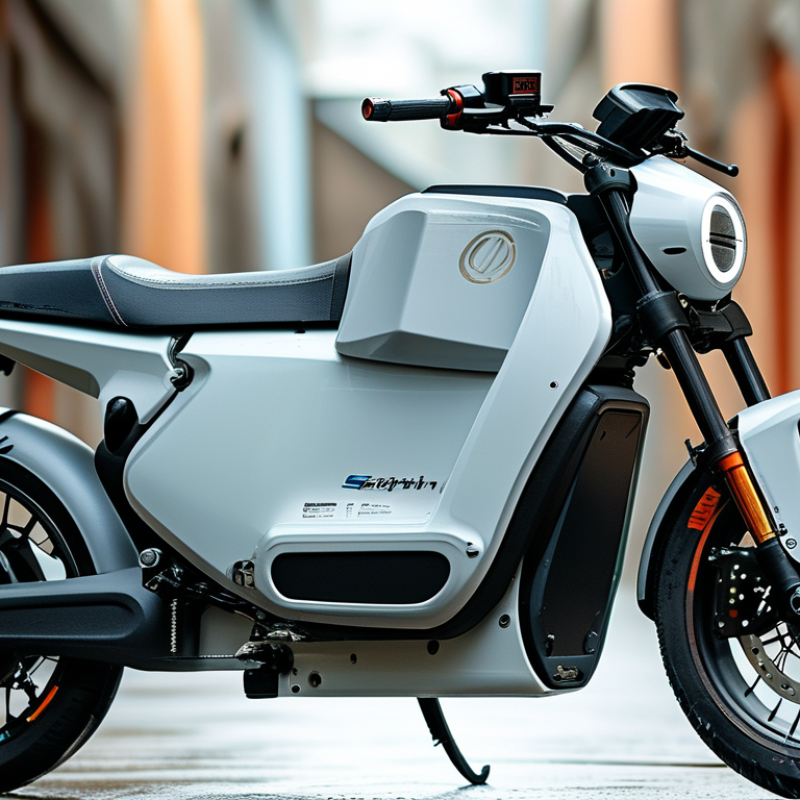
Understanding Electric Scooter Ebike Types and Their Main Uses
How to Choose an Electric Scooter Ebike for Global Buyers?
Electric scooter ebikes differ by frame, motor assistance, wheels, and intended terrain. Urban commuter models suit paved streets, short trips, and daily charging near a desk. Folding designs help riders combine rail travel with the last kilometre. Cargo ebikes carry groceries, tools, or children, but their longer frames need wider storage space. Fat-tire models offer better grip on gravel, although they usually feel heavier in crowded streets.
The International Energy Agency’s Global EV Outlook 2024 reports nearly 10 million electric two- and three-wheelers sold worldwide in 2023. This figure shows strong demand, especially for practical urban transport. However, sales volume does not prove every model fits every rider. Check battery capacity in watt-hours, not only claimed range. A 500 Wh battery may perform differently under heavy loads, hills, cold weather, or frequent stops.
The European Environment Agency also links active and shared mobility with lower urban emissions, but infrastructure remains uneven across countries. Test braking, lighting, seat height, and handlebar reach in person when possible.
I once underestimated storage space; a compact design still needs room for a charger and lock.
Buyers should also verify local speed, power, helmet, and road-use requirements before ordering, because classifications vary by market. Some advertised ranges feel optimistic. Real streets are less forgiving.
Matching Motor Power, Battery Range, and Speed to Your Needs
Choosing an electric scooter ebike starts with the route, not the advertised wattage. The IEA’s Global EV Outlook 2024 identifies electric two- and three-wheelers as the largest electric vehicle segment by volume. That scale does not make every model suitable for your streets.
For flat commuting, a 350–500-watt motor usually supports steady urban riding. Heavy riders, steep roads, and frequent starts may justify 750 watts or more, where local rules permit it. A higher rating can improve hill performance, but it also increases energy use. Do not confuse peak power with continuous power. Manufacturers sometimes emphasize the larger number.
Battery choice needs honest calculation. A 500-Wh battery may deliver about 25–40 kilometers in real use, depending on rider weight, temperature, hills, tire pressure, and assist level. Leave at least 20% reserve for wind and detours.
The IEA reports that battery prices have fallen dramatically over the past decade, yet replacement cost and availability still vary across regions. Ask for certified cells, charging protection, and a clear warranty.
Speed should match traffic, road design, and local limits. The World Health Organization’s Global Status Report on Road Safety 2023 links speed management with lower crash risk. A fast scooter is not automatically safer.
Test braking on a quiet surface. Check whether the charger supports your local voltage.
My practical mistake was trusting laboratory range figures; daily riding was less generous. That difference deserves attention.
Checking Frame Design, Comfort, Portability, and Weight Limits
How to Choose an Electric Scooter Ebike for Global Buyers?
Frame design affects stability, comfort, and long-term reliability. Look for clean welds, firm joints, and a frame that does not flex excessively. A low step-through frame helps shorter riders and makes daily mounting easier. However, very low frames may reduce ground clearance on rough roads. That trade-off deserves attention.
Comfort comes from more than a padded seat. Check the handlebar height, footboard length, tire width, and riding posture. A test ride should reveal pressure around your wrists, hips, and knees. Small bumps should not feel like sharp impacts. Suspension can help, but poor adjustment may create unnecessary movement. I sometimes prefer simpler suspension systems because they are easier to inspect, though this is not universal.
Portability depends on real handling weight, not the catalog description alone. Try lifting the folded vehicle into a car with one hand. Twenty-five kilograms can feel much heavier on stairs. Measure the folded length before checking storage spaces, elevators, or public transport requirements. Also inspect the folding latch for secure locking and easy operation. Weight limits must include the rider, luggage, and accessories. Leave a sensible margin below the stated maximum. Carrying extra weight can reduce braking performance and battery range. Specifications may look generous, but road surfaces, temperature, and hills change actual results. A careful buyer should compare local riding conditions instead of trusting one number.
Comparing Safety Features, Smart Functions, and Riding Controls
Choosing an electric scooter ebike requires more than checking range or motor power. Safety should shape every control. The World Health Organization reports about 1.19 million annual road deaths worldwide. Its helmet guidance also links proper helmets with a 42% lower risk of fatal injury and a 69% lower risk of head injury.
Look for dual braking, bright front and rear lights, reflectors, a clear horn, and automatic motor cut-off during braking. Wide tires and stable handlebars help on wet pavement, although they cannot replace careful speed control.
Smart functions should support riding, not distract from it. Useful options include a visible battery warning, speed-limit settings, walk assist, theft alerts, and crash detection. App-based GPS can help recovery, but buyers should examine data permissions. Convenience has a cost.
Tips: Test the brake response before buying. Check whether controls work with gloves. Choose a display readable in direct sunlight. Ask for battery and charger testing under recognized standards, such as UL 2849 or EN 15194, where applicable. The 2023 NACTO Shared Micromobility Report recorded 157 million shared micromobility trips in the United States, showing growing daily use but not proving every vehicle is equally safe. I would not trust a long-range claim without rider weight, temperature, terrain, and speed conditions. Even experienced riders misjudge stopping distance on loose gravel. Conservative settings are often the smarter choice.
Evaluating Local Laws, Warranty Coverage, and After-Sales Support
How to Choose an Electric Scooter Ebike for Global Buyers?
Local law should guide your purchase before motor power or battery range. Rules differ widely on speed limits, throttle use, helmets, registration, and permitted roads. In the European Union, EN 15194 generally covers pedal-assisted cycles up to 25 km/h and 250 watts. However, national enforcement may still vary. Check the transport authority’s website, not only a seller’s product page. CONEBI’s 2023 market profile reported more than five million e-bikes sold in Europe during 2022. That volume does not make every model road-legal.
Warranty wording deserves close attention. The European Commission states that consumers normally receive a minimum two-year legal guarantee for goods purchased from traders. Other markets may offer shorter coverage or different remedies. Ask whether the warranty covers the battery, charger, controller, display, and frame separately. A battery rated for 500 charging cycles may degrade sooner in extreme heat. That detail matters.
After-sales support is often more important than a low purchase price. Before ordering, request the service address, response time, spare-parts policy, and repair procedure. A useful test is simple: send one technical question and measure the reply. The U.S. Consumer Product Safety Commission has repeatedly warned about lithium-ion battery fire risks, so certified charging equipment and clear safety instructions are essential. Some support promises sound impressive but remain vague. I would also confirm who pays return shipping, because international repairs can become unexpectedly expensive.
How to Choose an Electric Scooter or Ebike for Global Buyers?
Fixed statutory consumer guarantee periods in selected markets
The European Union generally provides a 24-month legal guarantee for consumer goods. The United Kingdom, Australia, the United States, and Japan do not have one single nationwide fixed guarantee period covering all electric scooters or ebikes; consumer rights depend on product condition, seller obligations, state or provincial law, and product classification.
A value of 0 means that no single nationwide fixed period applies. Buyers should confirm local speed limits, road-use rules, import requirements, warranty terms, spare-parts availability, repair locations, and after-sales response times before purchasing.