How to Choose the Best Upholstery Materials for Your Home Decor Needs
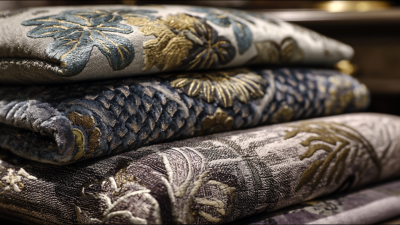
Choosing the right upholstery materials is a crucial step in achieving your desired home decor aesthetic while also ensuring functionality and comfort. With a plethora of options available, it can be overwhelming to determine which materials will best suit your lifestyle and personal taste. From the warmth of natural fibers to the durability of synthetic fabrics, each upholstery material comes with its own set of benefits and considerations.
In this exploration of upholstery materials, we will delve into the key factors to consider, such as durability, maintenance, and the overall look and feel you aim to create in your living space. Understanding the characteristics of various fabrics will empower you to make informed choices that align with your decoration goals while accommodating your everyday needs. Whether you are refreshing a beloved piece of furniture or designing a completely new space, understanding the diverse range of upholstery materials at your disposal is essential in crafting a home that reflects your unique style and functionality requirements.
Understanding Different Types of Upholstery Materials for Home Decor
When it comes to home decor, selecting the right upholstery material can significantly influence the overall aesthetic and functionality of your space. There are various types of upholstery materials available, each with distinct characteristics that suit different decor themes and lifestyles.
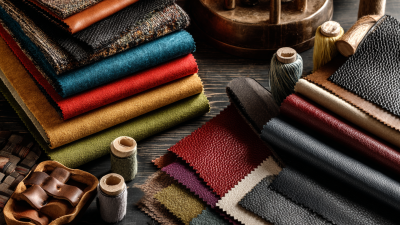
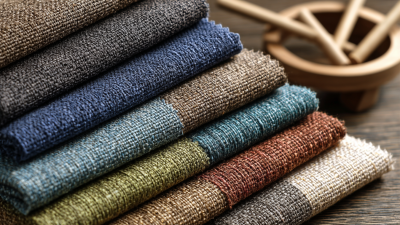
For example, natural fibers such as cotton and linen offer a casual, breathable texture that is perfect for relaxed living spaces. On the other hand, synthetic fibers like polyester are known for their durability and stain resistance, making them ideal for households with pets or children.
Tips: When choosing upholstery materials, consider the durability of the fabric based on your lifestyle. If you have kids or pets, opt for materials that are easy to clean and can withstand wear and tear. Additionally, evaluate the material’s color and pattern to ensure it complements your existing decor and enhances the overall mood of the room.
Velvet and leather are popular choices for those looking to add a touch of luxury to their decor. Velvet provides a soft, plush feel that can elevate any furniture piece, while leather offers timeless elegance and longevity. However, both require certain maintenance to keep them looking their best.
Regular cleaning and conditioning are essential for preserving their appearance and extending their lifespan, so be prepared to invest a bit of time to maintain these eye-catching materials.
Evaluating Durability and Maintenance Needs of Upholstery Fabrics
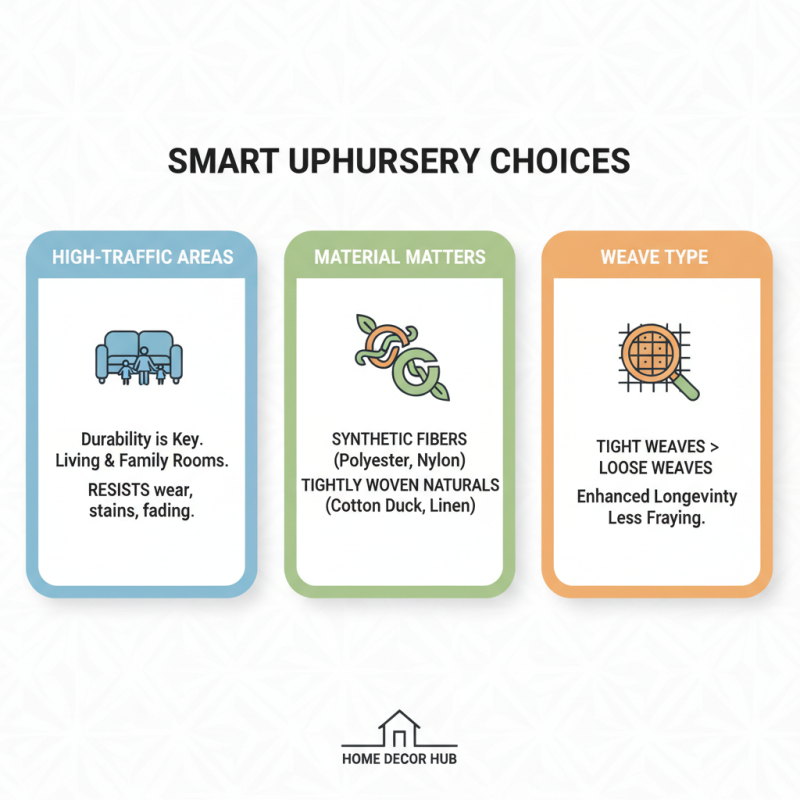
When selecting upholstery materials for your home decor, it’s essential to consider durability and maintenance needs. Fabrics with high durability ratings are ideal for high-traffic areas, such as living rooms and family rooms, where wear and tear are inevitable. Look for upholstery materials made from synthetic fibers or tightly woven natural fabrics, as they often offer greater resistance to fraying, stains, and fading. Additionally, consider the weave of the fabric; tighter weaves typically resist wear better than looser ones.
Tips: To maintain the longevity of your upholstery, regularly clean and vacuum surfaces to prevent dirt build-up. Choosing fabrics that can be treated with stain-resistant finishes can dramatically reduce the risk of stains setting in. Moreover, think about the color and pattern of the fabric—darker or patterned fabrics can often hide dirt and stains better than lighter, solid colors.
In addition to durability, understanding maintenance requirements is vital. Some fabrics require professional cleaning, while others can be easily cleaned at home. Consider how much time you are willing to invest in upkeep. For families with children or pets, opting for fabrics that allow for easy cleanup, like water-resistant or machine-washable materials, can be a practical choice. Ensure that you read the care instructions before making a final decision to avoid unexpected challenges in maintenance later on.
Considering Color and Pattern Options for a Cohesive Look
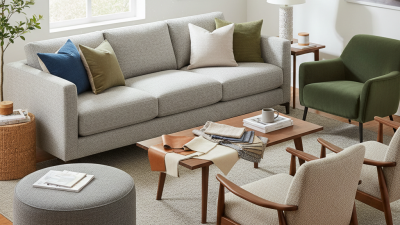
When selecting upholstery materials for your home decor, color and pattern choices play a crucial role in creating a cohesive look. Start by considering the overall theme of your space. Are you aiming for a modern aesthetic, a rustic vibe, or perhaps a bohemian flair? Once you have a clear vision, select colors that complement your existing decor. Neutral tones can provide a versatile backdrop, allowing you to accentuate with bolder hues through cushions or throws.
**Tips:** When choosing a color palette, consider the mood you want to evoke. Softer colors can create a calm ambiance, while brighter shades can inject energy into the room. It’s also beneficial to explore different shades of the same color to add depth and interest.
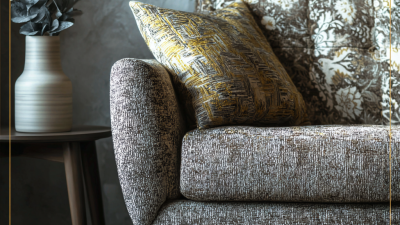
Patterns can also enhance your decor significantly. Opt for patterns that echo the shapes and motifs found in other elements of your room, like wallpaper or artwork. Mixing patterns is not only acceptable but can also yield stunning results. Just remember to maintain a balance; if one piece is vibrant and eye-catching, consider grounding the look with a more subtle design elsewhere.
**Tips:** When mixing patterns, stick to a cohesive color scheme to avoid visual chaos. Additionally, varying the scale of the patterns can help create a harmonious look, ensuring that larger patterns don’t overpower more delicate designs.
Assessing Comfort and Feel of Upholstery Before Making a Selection
When selecting upholstery for your home decor, assessing comfort and feel is a critical step that often gets overlooked. According to a study by the International Society of Furniture Designers, 70% of consumers consider comfort the most significant factor when choosing upholstered furniture. This data highlights the necessity of examining various materials on the market to find those that not only fit your aesthetic but also provide a pleasing tactile experience.
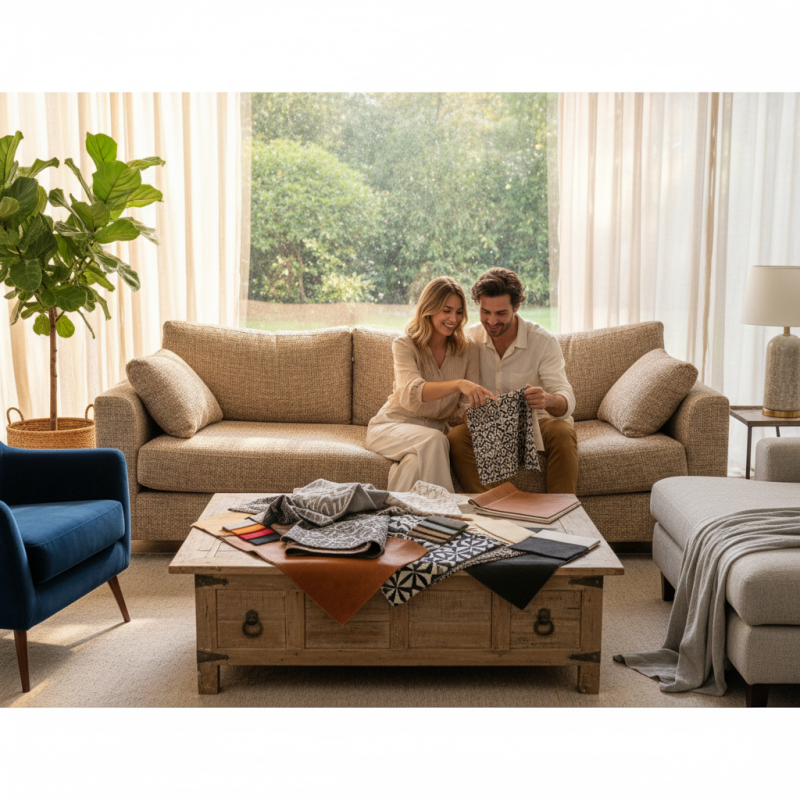
To truly appreciate the comfort level of upholstery materials, it’s essential to physically interact with them. Fabrics like velvet and microfibers tend to offer a soft, luxurious feel, while canvas and leather can provide more durability and structure. When exploring options, remember to test how the fabric feels against your skin—this is particularly important for pieces like sofas and chairs that you may spend significant time on.
Tips: Always consider the density and resilience of the upholstery materials. A higher-density foam cushioning, for example, can greatly enhance sitting comfort and prolong the lifespan of your furniture. Additionally, take note of the fabric's breathability, as this can affect temperature control and overall comfort in different environments.
Budgeting for Quality Upholstery Materials That Enhance Your Decor
When budgeting for quality upholstery materials, it's essential to consider not only the initial costs but also the long-term value they bring to your home decor. According to a recent report from the Upholstery Fabric Manufacturers Association, high-quality upholstery typically lasts seven to ten years, while lower-quality alternatives might wear out within three to five years. Investing in durable materials such as leather, microfiber, or tightly woven fabrics can yield significant savings over time, as these options require less frequent replacement and can withstand daily wear and tear.
Moreover, it's crucial to align your choices with your overall design goals and lifestyle. A survey conducted by Home Decor Trends indicated that 68% of homeowners prioritize both aesthetic appeal and durability when selecting upholstery materials. When you factor in your family's needs—whether it's kids, pets, or frequent entertaining—select upholstery that blends style with functionality. For instance, stain-resistant fabrics may incur a higher upfront cost but ultimately protect your investment and enhance your decor by keeping your furniture looking fresh and inviting. Prioritizing quality upholstery materials is not just a financial decision; it's a thoughtful approach to creating a space that reflects your style while standing the test of time.