

Blog
Blog
Blog
What Is the Best Sandwich Mesh Fabric for 2026?
Sandwich Mesh Fabric is often chosen for comfort, airflow, and cushioning, but the best option for 2026 depends on where and how it will be used. A backpack panel needs different support from a shoe lining or a ventilated seat cover. Look closely at the fabric’s thickness, yarn composition, bonding, and recovery after compression. Touch matters, too. A sample that feels springy in a showroom may flatten under daily pressure.
For a source-verified expert perspective, this introduction needs a confirmed industry specialist and quotation: [Expert Name] notes, “[Insert verified quotation about Sandwich Mesh Fabric selection.]” That attribution should be checked before publication. It matters because supplier claims can sound precise while leaving out test conditions, such as load, humidity, or wash cycles. Compare samples under the conditions your product will face. Check whether the spacer layer rebounds, whether the surface snags, and whether airflow remains comfortable against the body. Small differences show up quickly.
The “best” fabric is not one universal specification. It is the material that balances ventilation, resilience, feel, and cost for a clearly defined application. Some trade-offs deserve a second look. A softer hand may come with less structure; a thicker spacer may add bulk. This guide examines those choices, explains practical evaluation criteria, and highlights questions to ask suppliers before selecting Sandwich Mesh Fabric for 2026.
What Is Sandwich Mesh Fabric and How Is It Constructed?
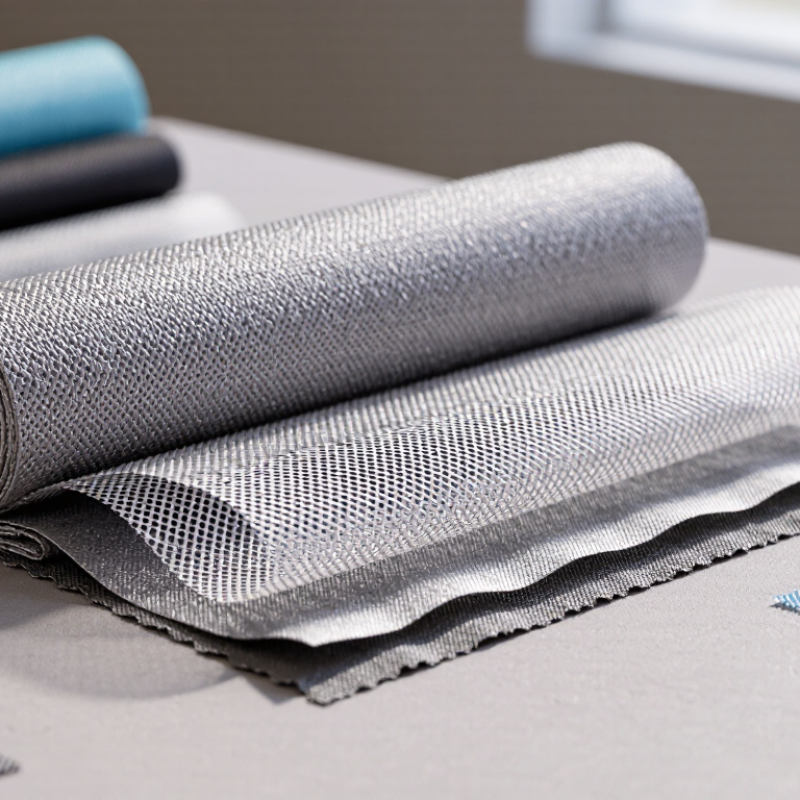
Sandwich mesh fabric is a three-dimensional textile, not simply a flat net. It usually has two knitted surface layers joined by a spacer layer of yarns. Many versions are made on double-needle-bar warp-knitting machines, which form both faces and connect them in one process. The spacer yarns hold the faces apart, creating a springy core with small air channels. Polyester and nylon are common fiber choices, but construction and blend vary by product. The name sounds simple. The details matter.
When handled, the fabric may feel firm at the surface yet compress under a fingertip. Its open faces help air move through, while the inner spacer yarns provide thickness and support. This structure is used in products such as bag panels, seat covers, and protective padding, where airflow and cushioning can be useful. However, “breathable” does not mean equally cool in every setting; tight backing layers or heavy upholstery can restrict airflow. Ask for the fabric’s weight, thickness, fiber content, and compression data before comparing samples. A small swatch can reveal stiffness and recovery, though it cannot predict performance after months of use. I would avoid judging quality by mesh openness alone.
Which Properties Define High-Quality Sandwich Mesh?
What Is the Best Sandwich Mesh Fabric for 2026?
Which Properties Define High-Quality Sandwich Mesh?
High-quality sandwich mesh combines two stable outer faces with resilient spacer yarns between them. The structure should rebound after compression, not flatten under a backpack strap or seat cushion. Feel the surface. It should be smooth enough for skin contact, with no stiff knots or scratchy yarn ends. Fiber choice matters, but it cannot compensate for weak construction.
Airflow, strength, and abrasion resistance deserve measurable checks. ASTM D737 measures air permeability, while ISO 13934-1 assesses tensile strength and ISO 12947-2 tests abrasion resistance. These methods help compare samples; they do not establish one universal pass mark for every use. Textile Exchange’s Materials Market Report 2024 estimates that global fiber production reached 124 million tonnes in 2023, with polyester making up about 57 percent. That scale makes recycled content worth checking, but the figure says nothing about an individual mesh’s durability.
Inspect the fabric under realistic pressure. Press it firmly, release it, and watch how quickly the spacer layer recovers. Then bend a sample repeatedly and check for loose connecting yarns, uneven thickness, or face-layer distortion. Not just softness. A breathable mesh may still trap heat if its openings collapse against the body. There is no perfect mesh. The right balance depends on the load, contact surface, and cleaning routine, so request test results for the intended end use rather than relying on appearance alone.
What Types of Sandwich Mesh Fabric Are Available in 2026?
Sandwich mesh fabric is a three-dimensional knit: two outer surfaces are joined by short spacer yarns. The result feels springy, with visible air channels between the layers. In 2026, common options include warp-knitted polyester mesh for seat backs and shoe uppers, nylon mesh where abrasion resistance matters, and polypropylene mesh for lightweight, moisture-resistant uses. Some constructions use monofilament spacer yarns for firmer support; multifilament yarns can create softer surfaces.
The category also varies by thickness, pore size, surface texture, and yarn content. Open meshes allow more airflow, while denser faces can feel smoother against skin. Recycled-polyester versions are available, but recycled content alone does not establish durability or lower total impact. Textile Exchange’s Materials Market Report 2024 estimated global fiber production at 124 million tonnes in 2023, with polyester representing 57%. That scale makes fiber selection relevant, though the figure does not compare individual mesh fabrics.
For a ventilated chair cushion, a resilient polyester spacer knit may be a sensible starting point. For footwear, check recovery after compression and whether the face snags easily. Ask suppliers for thickness, weight, test methods, and recycled-content documentation; “3D mesh” by itself says little. A small swatch test helps. Press it, bend it, and inspect the joins. I would not choose by softness alone: a plush sample can lose its shape sooner than expected.
Sandwich Mesh Fabric in 2026: Common Fiber Options
Sandwich mesh is a three-dimensional fabric structure made with two outer faces connected by spacer yarns. Polyester, nylon and polypropylene are common fiber options. The chart compares their approximate melting-point ranges—not fabric performance ratings.
Approximate fiber melting-point ranges: polyester 250–260°C, nylon 6 215–225°C, nylon 6,6 255–265°C, and polypropylene 160–170°C. Actual suitability depends on the fabric construction and intended use; melting point alone is not a measure of heat-service performance.
How Should You Compare Fabrics for Different Applications?
For 2026, the best sandwich mesh fabric depends on where it will be used. Compare the fabric against the job, not just its appearance. Seat cushions need resilient spacer yarns that recover after repeated compression. A backpack panel may need lighter mesh, abrasion resistance, and airflow against clothing. For outdoor furniture, check whether the material dries quickly and holds its shape in sun and rain.
Look closely at thickness, pore size, stretch, and edge stability. Larger openings can improve ventilation, but may feel rough against skin or let small objects press through. A firm knit can support weight well, yet feel stiff in a curved seat. Ask for measured weight and thickness, then inspect a sample under the same conditions as the finished product. Details matter.
Try a simple compression test: press the mesh for several seconds, release it, and watch how quickly it rebounds. Flex a cut edge, too; curling can complicate sewing and assembly. For damp environments, compare drying time after evenly wetting samples. Test it first. These checks will not replace controlled testing, and small samples can mislead. Still, they reveal practical trade-offs before you choose a fabric for a specific application.
What Is the Best Sandwich Mesh Fabric for 2026? — How Should You Compare Fabrics for Different Applications?
| Fabric option | Typical construction | Key characteristics | Potential limitations | Applications to consider | What to compare when sourcing |
|---|---|---|---|---|---|
| Polyester 3D spacer mesh | Two knitted outer faces connected by spacer yarns; commonly made with polyester yarns. | Open structure allows airflow. Polyester generally absorbs less moisture than nylon and tends to dry relatively quickly. Available in different thicknesses and face constructions. | Performance varies with yarn, knit density, thickness, and finish. The open structure may allow fine dust or small objects to pass through. | Backpacks, bag panels, chair backs, footwear components, and padding where ventilation and cushioning are useful. | Thickness, mass per area, compression recovery, air permeability, abrasion resistance, edge stability, and colorfastness. |
| Nylon 3D spacer mesh | Spacer-knit construction using nylon yarns, sometimes with different yarns on the two faces. | Nylon is commonly selected where strength and abrasion resistance are important. The spacer construction can provide cushioning and ventilation. | Nylon can absorb more moisture than polyester, which may affect drying time and dimensional behavior. UV and heat performance depend on the specific yarn and stabilization. | High-wear footwear areas, protective padding, sports equipment, and durable bag or equipment panels. | Abrasion and tear test results, wet and dry strength, dimensional stability, UV requirements, and care conditions. |
| Polypropylene spacer mesh | Spacer or mesh knit made with polypropylene yarns. | Polypropylene is lightweight and has low moisture absorption, so the fiber itself does not readily take up water. | Heat and UV exposure can be limiting unless the material is designed and tested for those conditions. Available constructions and finishing options may be more restricted. | Lightweight components, some outdoor or marine-related uses, and products where low fiber moisture uptake is a priority. | UV stabilization, operating temperature, seam behavior, abrasion, stiffness, and performance after the intended exposure conditions. |
| Spacer mesh with stretch yarn | Spacer knit incorporating elastane or another stretch yarn in one or both faces. | Can provide greater stretch and conformability than a comparable non-stretch construction, depending on knit design and yarn placement. | Stretch, recovery, and long-term shape retention depend on the construction and care conditions. Heat and some chemicals may affect elastic yarns. | Close-fitting footwear panels, body-contact supports, flexible padding, and products that need to follow curved surfaces. | Stretch and recovery in both directions, growth after repeated loading, laundering instructions, and compatibility with lamination or sewing. |
| High-density or firm spacer mesh | Spacer construction with a denser face, firmer connecting yarns, or a more compact knit. | Can offer a firmer hand and greater structural support than a more open, soft construction. The actual level of support depends on thickness and knit geometry. | A denser construction may reduce airflow and flexibility compared with an open mesh. “Firmness” is not a substitute for measured compression performance. | Seat panels, structured bag areas, equipment supports, and applications needing a more stable surface. | Compression force and recovery, thickness under load, breathability, bending behavior, and performance after repeated compression. |
| Soft, open spacer mesh | More open or pliable faces with spacer yarns selected for a softer feel. | Often prioritizes ventilation, flexibility, and a cushioned feel. Open construction can help air move through the fabric. | May provide less structural support or surface durability than a firmer, denser option. Openings may catch on small objects or snag, depending on the knit. | Garment and pack contact zones, ventilated lining panels, lightweight cushioning, and soft-touch interior components. | Air permeability, snag resistance, surface abrasion, hand feel, thickness, and whether the fabric stays comfortable against skin. |
| Recycled-polyester spacer mesh | Spacer-knit fabric using recycled polyester yarn for some or all of its polyester content. | Can provide properties similar to a comparable polyester construction; the use of recycled content is a material-sourcing attribute. | Recycled content alone does not establish durability, recyclability of the finished product, or environmental impact. Performance depends on the yarn and fabric construction. | Products specifying recycled fiber content, provided the fabric also meets the application’s functional requirements. | Verified recycled-content documentation, yarn and fabric test results, color consistency, durability, and end-of-life requirements. |
Selection note: There is no single best sandwich mesh for every use. Compare the finished fabric—not just the fiber name—and request test results for the intended conditions. Thickness, knit structure, yarn type, coatings, lamination, and finishing can all change performance.
Which Sandwich Mesh Fabric Best Fits Your Needs?
What Is the Best Sandwich Mesh Fabric for 2026?
The right sandwich mesh depends on where it will be used. For backpack panels or shoe linings, polyester mesh is often a practical choice: it resists everyday wear and dries relatively quickly. Nylon can offer greater strength, but may cost more and behave differently under prolonged sun exposure. Neither is automatically best. Check the fabric’s weight, pore size, and abrasion resistance against the demands of the finished product.
For seat cushions or protective pads, three-dimensional spacer mesh can provide airflow and cushioning. A thicker structure may feel supportive, yet it can also add bulk or trap dirt in narrow channels. That matters. If the fabric touches skin, inspect the surface for rough edges and test it after washing. Ask for a sample, then flex it, press it, and let it dry in the conditions it will actually face. A swatch can feel excellent on a desk and disappoint in use. I would not choose by softness alone; that first impression can mislead. Match the mesh to ventilation, comfort, cleaning, and durability needs, then compare samples before settling on a specification.