

What Is the Best Outdoor Hunting Headlamp in 2026?
Choosing the best Outdoor Hunting Headlamp in 2026 is not simply a search for the highest lumen number. A reliable lamp must balance beam distance, battery endurance, weather resistance, comfort, and safe handling in darkness. The Outdoor Industry Association’s 2024 Outdoor Participation Trends Report recorded 175.8 million U.S. outdoor participants in 2023, showing how many people depend on practical equipment beyond daylight hours. That broad participation increases demand for lighting that performs consistently, not just impressively in product photos.
Professional evaluation also requires measurable standards. ANSI/PLATO FL 1 testing helps compare claims such as peak beam distance, runtime, impact resistance, and water resistance. However, laboratory figures can mislead when temperatures fall, batteries age, or a user switches to maximum brightness. The U.S. Fish and Wildlife Service’s 2022 National Survey reported approximately 14.4 million American hunters, reminding manufacturers that outdoor lighting serves varied environments and experience levels. A cold ridge, wet forest trail, and early-morning vehicle check all expose different weaknesses.
This guide will compare leading headlamps through those real-world conditions. It will examine red-light modes, controls, rechargeability, strap stability, and emergency backup value. Brightness alone is not enough. No headlamp is perfect. I may even overvalue low-temperature performance because battery behavior can change dramatically in the field. Still, careful testing and transparent specifications offer a more trustworthy answer than marketing language. The best choice should illuminate the path, preserve night vision, and remain dependable when plans become less comfortable.
What Makes an Outdoor Hunting Headlamp Effective in 2026?
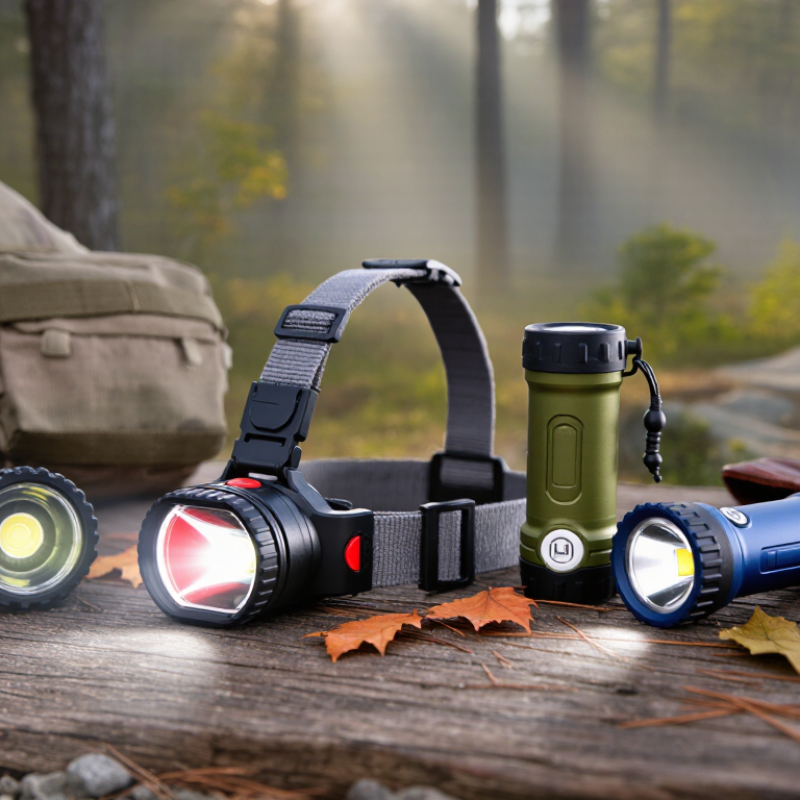
What makes an outdoor hunting headlamp effective in 2026? Reliable performance matters more than impressive laboratory brightness. A useful lamp should provide a focused beam for distance and a softer flood beam for nearby tasks. Adjustable brightness prevents wasted battery and reduces glare around camp. Red light can help protect night vision, although it does not preserve it perfectly.
Fit matters. The headband should stay secure while walking, crouching, or carrying equipment. A balanced lamp causes less pressure on the forehead during long hours outdoors. Physical buttons are often better than complicated touch controls when wearing gloves. Cold changes everything. Battery capacity can drop sharply in freezing conditions, so test runtime in realistic weather before trusting the lamp overnight.
Weather resistance is another practical measure. An IPX4 rating usually handles splashing rain, but it does not promise safe submersion. Check the exact certification rather than trusting vague “waterproof” wording. USB-C charging is convenient, yet a replaceable or protected battery may be more dependable on remote trips. Thermal regulation also matters because maximum brightness can create heat and shorten runtime. In field use, I would record brightness, runtime, comfort, and charging behavior instead of relying on marketing figures. My own preference has changed after uncomfortable headbands ruined otherwise capable lamps. The brightest option is not always the most effective one.
What Is the Best Outdoor Hunting Headlamp in 2026? — What Makes an Outdoor Hunting Headlamp Effective in 2026?
A practical, brand-neutral comparison of the performance characteristics that matter most for hunting, tracking, navigation, and low-light outdoor use.
| Performance Dimension | Recommended Benchmark | Why It Matters Outdoors | What to Look for in 2026 | Priority |
|---|---|---|---|---|
| Maximum brightness | 300–600 lumens for general hunting; 600–1,000 lumens for open terrain | Provides enough light for trail movement, equipment handling, and short-distance observation without requiring a separate flashlight. | Multiple output levels are more useful than maximum brightness alone. A low mode of approximately 5–30 lumens helps preserve night vision and battery life. | High |
| Beam distance | 80–150 meters on the highest setting | A longer beam helps identify terrain, trail markers, and movement at a safe distance in open areas. | Check the measured beam distance under a recognized flashlight performance standard rather than relying only on marketing descriptions. | High |
| Beam pattern | Wide flood beam plus a controlled central spot | A flood beam supports peripheral awareness, while a central spot improves distance viewing and route selection. | The most versatile design combines a smooth near-field beam with enough central intensity for scanning without excessive glare. | High |
| Red-light mode | A dedicated red mode with low and steady output | Red light can reduce the effect of bright white light on dark adaptation and is useful inside shelters or around camp. | Choose a model with an easy-to-access red mode, memory control, and a low-intensity setting that does not cause unnecessary eye strain. | High |
| Usable runtime | 8–12 hours on a practical medium setting; 30+ hours on low | Long runtime reduces the risk of losing illumination during extended tracking, overnight travel, or unexpected delays. | Compare runtime at each brightness level. A very high maximum output often has a much shorter runtime than the headline specification suggests. | High |
| Battery system | Replaceable rechargeable battery or a dependable hybrid system | Rechargeable power lowers operating waste, while replaceable cells provide a backup option far from electrical outlets. | USB-C charging, charge-level indication, protected charging, and the ability to carry a spare power source improve field reliability. | High |
| Weather resistance | At least IPX4 for rain; IPX6 or higher for severe wet conditions | Rain, snow, condensation, and splashing can quickly damage exposed electronics during outdoor use. | Look for a clearly stated ingress-protection rating and sealed controls. Water resistance does not automatically mean the lamp is suitable for immersion. | High |
| Impact resistance | At least 1 meter of tested impact resistance | A headlamp may be dropped on rocks, packed with other gear, or struck while moving through brush. | A tested impact rating, protected lens, and robust housing are more meaningful than a lightweight appearance alone. | Medium |
| Comfort and stability | Balanced weight with an adjustable, non-slip headband | Comfort affects whether the lamp remains properly aimed during long walks, climbing, glassing, or repeated head movement. | Prefer a low-profile body, balanced battery placement, washable straps, and enough adjustment for hats or cold-weather headwear. | High |
| Controls and lockout | Glove-friendly controls with electronic or physical lockout | Simple operation prevents accidental activation inside a pack and reduces unnecessary battery drain. | Large tactile buttons, mode memory, direct access to red light, and a travel lock are particularly useful in cold or dark conditions. | High |
| Cold-weather performance | Reliable operation near 0°C, with protected battery storage | Low temperatures reduce battery capacity and can make plastics, switches, and charging systems less dependable. | Keep batteries warm when possible and evaluate runtime separately in cold conditions. A replaceable power source is valuable for winter trips. | Medium |
| Light color options | White light plus red; optional green or amber for specialized use | Different colors can support navigation, close-range tasks, and reduced glare depending on the environment and user preference. | Color modes should have independent brightness control and should not require cycling through an unnecessarily long sequence of white-light modes. | Medium |
| Heat management | Stable output with thermal regulation | High-output LEDs generate heat, and excessive temperature can reduce comfort, efficiency, and component life. | A good headlamp automatically reduces output when necessary while maintaining a useful level of illumination instead of shutting down unexpectedly. | High |
| Weight and packability | Approximately 60–120 grams including the battery | Lower weight reduces forehead pressure and makes the lamp easier to carry as an emergency backup. | Balance total weight against runtime, weather protection, and battery flexibility. The lightest option is not always the most dependable. | Medium |
| Field safety and visibility | Secure tilt mechanism and optional rear or side visibility features | A stable beam reduces trip hazards, while visibility features can help companions locate the wearer in low-light conditions. | The lamp should stay aimed while walking and should not create distracting reflections from nearby surfaces or equipment. | High |
| Overall suitability | Balanced performance rather than the highest single specification | Outdoor hunting demands dependable illumination, comfort, weather protection, and battery endurance at the same time. | The most effective 2026 headlamp is typically one that offers adjustable brightness, red light, practical runtime, USB-C charging, reliable weather resistance, and comfortable hands-free operation. | Essential |