What are the Benefits of Using a Volumetric Concrete Mixer?
In the construction industry, efficiency and precision are crucial. A Volumetric Concrete Mixer offers numerous advantages that enhance project outcomes. This technology allows for on-site mixing, providing fresh concrete in exact amounts. Contractors appreciate the flexibility it brings, enabling them to adjust the mix on demand.
Using a Volumetric Concrete Mixer can reduce waste significantly. Projects often face challenges with surplus concrete. This is minimized with on-demand mixing, ensuring that only the needed volume is produced. Moreover, these mixers promote quality control. Each batch can be tailored to specific project requirements, ensuring consistency in strength and durability.
However, reliance on this technology isn’t without its complexities. Operators need training to utilize the mixer properly. Without expertise, mistakes can happen, leading to issues like incorrect mix proportions. Careful consideration is vital when integrating a Volumetric Concrete Mixer into operations. Despite these challenges, the potential benefits outweigh the drawbacks, making it a valuable asset.
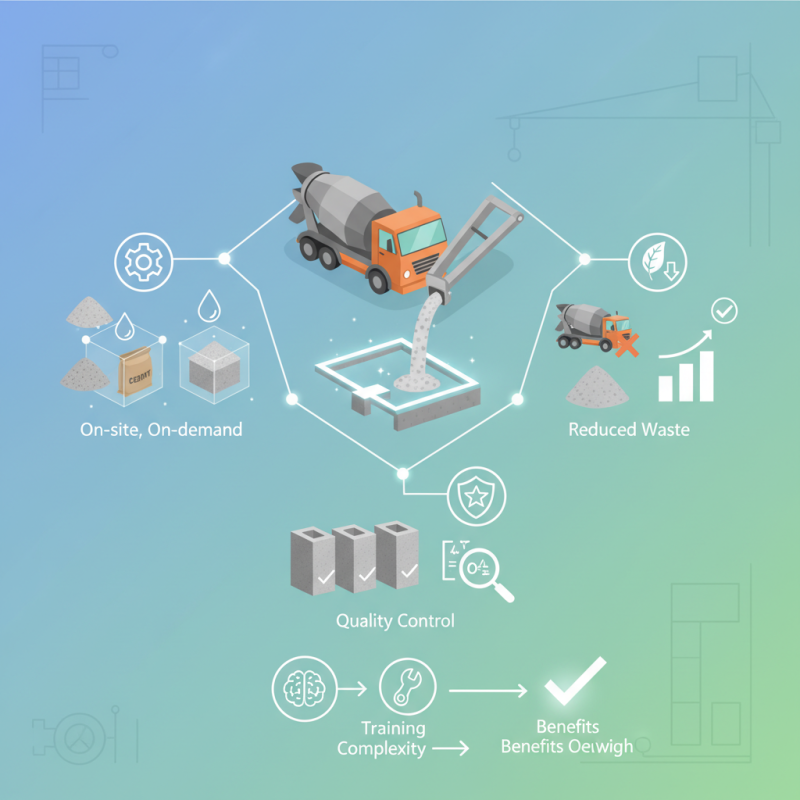
Benefits of On-Demand Concrete Production with Volumetric Mixers
The use of volumetric concrete mixers revolutionizes on-demand concrete production. These mixers allow for the exact measurement of each ingredient. This ensures the concrete is mixed fresh on-site. It eliminates waste and reduces the need for excess material storage. By mixing as needed, construction projects can more accurately manage their material requirements.
One of the most substantial benefits is flexibility. Volumetric mixers can produce different concrete mixes quickly. If a project requires a sudden change in specifications, adjustments can be made on the fly. This responsiveness can save both time and costs. However, operators need to be skilled. Inexperience can lead to improper mixing ratios, which may compromise the quality of the concrete.
Additionally, volumetric mixers promote sustainability. By using only what is necessary, they significantly reduce leftover concrete. This practice minimizes environmental impact. Yet, not every project is suited for volumetric mixing. It's crucial to evaluate whether this method aligns with specific project needs. Despite its benefits, careful planning and expertise are vital for achieving the best results.
Enhanced Accuracy and Consistency in Concrete Mixing
Concrete mixing can be a precise art, and volumetric concrete mixers enhance this accuracy and consistency significantly. These mixers allow operators to create customized concrete mixtures on-site. Each batch can be adjusted according to specific project requirements, accommodating variations in material quality and project demands. This adaptability ensures that every pour meets exact standards, minimizing waste and maximizing efficiency.
Moreover, volumetric mixers deliver concrete exactly when needed. This timely delivery reduces the risk of delays associated with pre-mixed supplies. With instantaneous mixing capabilities, projects can progress without waiting hours for delivery, which often results in compromised quality. Yet, this precision requires trained operators who understand the nuances of mixing and the materials involved. An inexperienced operator risks the integrity of the concrete, even with the best equipment.
While volumetric concrete mixers do offer tremendous benefits, challenges exist. Factors like weather conditions can affect mixing quality. Inconsistent moisture content in raw materials can also lead to variations in the final product. It’s essential for teams to continually monitor and adjust their processes to ensure optimal results. The commitment to maintaining accuracy demands ongoing learning and adaptation within construction practices.
Benefits of Using a Volumetric Concrete Mixer
Reduction of Waste and Environmental Impact in Construction Projects
The construction industry faces significant challenges in waste management and environmental impact. Volumetric concrete mixers present an innovative solution to these issues. By producing concrete on-site, they drastically reduce excess waste. This approach allows for precise measurements, minimizing leftover material that typically ends up in landfills.
In addition, volumetric mixers promote sustainable practices by using only the required ingredients. This leads to a lower carbon footprint. Traditional methods often waste energy and resources. Using volumetric mixers alleviates this problem, ensuring efficient resource use. Contractors can adapt the mix as per project needs, which enhances flexibility while reducing unnecessary waste.
Tip: Always calculate your concrete needs beforehand. Overestimating can lead to excess, while underestimating can cause delays.
Another consideration is the water usage in concrete mixing. Volumetric mixers allow for precise water addition, reducing spillage and runoff. This directly impacts the surrounding environment and conserves valuable water resources.
Tip: Monitor your water usage during mixing. Adjustments based on weather conditions can help in further minimizing waste and maintaining concrete quality.
Embracing volumetric concrete mixers can significantly enhance eco-friendly initiatives within construction projects. The reduced waste and tailored mixing processes stand as testaments to their efficiency. However, it’s crucial to stay mindful of the ongoing challenges in waste management for lasting change.
Increased Efficiency and Time Savings on Job Sites
The adoption of volumetric concrete mixers is transforming construction sites. These mixers provide on-demand concrete, which translates to significant time savings. According to industry data, project schedules can be reduced by up to 30% when using volumetric mixers. This is crucial when timelines are tight and deadlines are non-negotiable.
The ability to produce concrete in real-time increases efficiency. No more waiting for deliveries or worrying about running out of material. A report by the American Concrete Institute highlights that projects utilizing volumetric mixers experience fewer delays. Workers can adjust mix designs quickly without wasted materials. This flexibility can significantly impact the overall budget and resource allocation.
However, the initial costs of these mixers can be prohibitive. Some construction firms may hesitate due to budget constraints. It's essential to weigh the long-term benefits against short-term expenses. Not all projects may warrant this investment, especially smaller jobs. Reevaluating how concrete is sourced can lead to better decision-making in the long run.
Flexibility in Concrete Formulations for Custom Projects
Using a volumetric concrete mixer offers invaluable flexibility, especially for custom projects. This type of mixer allows for on-site adjustments to concrete mixes. You can tailor the mix according to specific requirements, whether it’s for strength, color, or texture. This adaptability means you can respond to changing project needs quickly and minimize waste.
In custom projects, having control over the concrete formulation can save time and money. You can experiment with varying ratios of materials until achieving the desired consistency. These adjustments are crucial when dealing with unique architectural designs. They enable builders and contractors to meet client expectations effectively.
**Tip:** Always test small batches before large pours to avoid inconsistency. This practice will help you refine your mix design without wasting concrete. **Tip:** Keep a record of your formulations. Documenting changes can aid in troubleshooting and improving future projects. Finally, recognize that not every mix will be perfect. Sometimes, elements may need fine-tuning, which enhances your skill over time.
Benefits of Using a Volumetric Concrete Mixer
| Benefit | Description |
| Flexibility in Mix Design | Allows for on-site adjustments to the concrete mix based on specific project requirements, enhancing project adaptability. |
| Reduced Waste | Minimizes excess material by producing only the needed amount of concrete, leading to cost savings and environmental benefits. |
| Quality Control | Ensures consistent mixing and quality of the concrete, which is crucial for structural integrity. |
| Time Efficiency | Reduces the time needed to transport and mix concrete, leading to faster project completion times. |
| Customizable Formulations | Facilitates the creation of various concrete formulations to meet diverse project demands, including different grades and additives. |
| Versatility | Suitable for various applications, from residential projects to large-scale commercial constructions. |