What Are the Benefits of Using Leather Material?
Leather material has been a favored choice for many centuries. Its rich texture and strong durability make it stand out in various applications. From fashion to furniture, leather adds elegance and sophistication to everyday life.
One of the main benefits of using leather material is its longevity. Unlike synthetic options, leather develops a unique patina over time. This process results in a personalized aesthetic admired by many. However, the quality of leather can vary. Some may not age well, leading to a less desirable look.
Additionally, leather provides excellent comfort. It breathes well and adapts to body temperature, making it ideal for clothing and upholstery. Yet, it can require maintenance to keep its appearance. Regular cleaning and conditioning are necessary to prevent cracks and discoloration. Overall, leather material offers numerous benefits, but it's essential to choose wisely.
Advantages of Leather Material in Fashion and Accessories
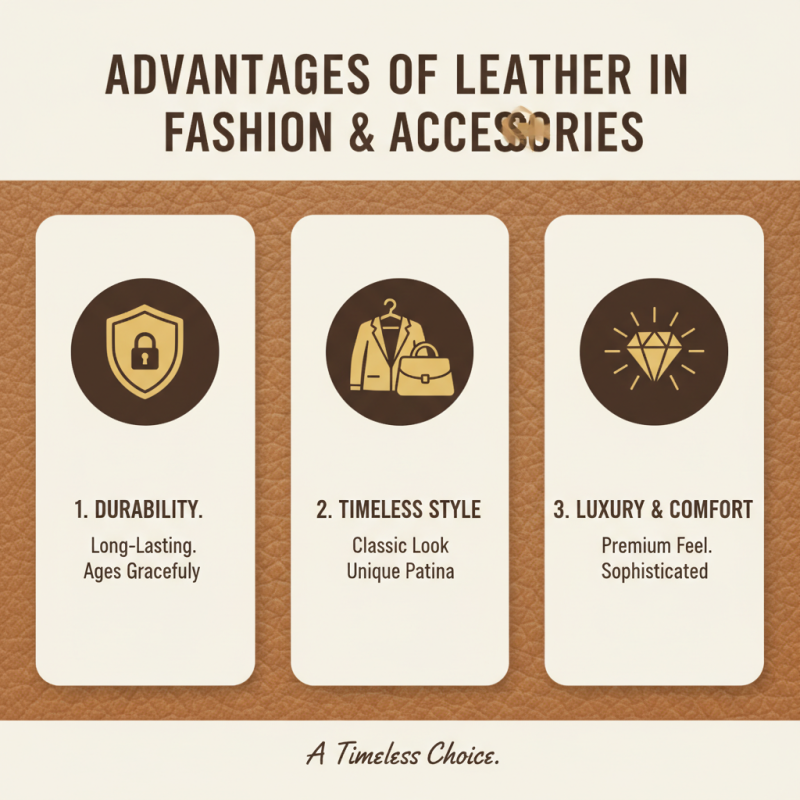
Leather has long been a favored choice in fashion and accessories. Its durability is one of its main advantages. A well-made leather jacket can last for years. The material ages gracefully, developing a unique patina over time. This adds character and charm. Leather also offers a degree of luxury. It feels great against the skin and looks stylish in various settings.
Moreover, leather's versatility shines in many forms. From handbags to shoes, its appeal is vast. The texture and finish can vary significantly, allowing for different styles. A smooth leather belt can elevate a simple outfit. Meanwhile, distressed leather boots can convey a rustic vibe. Yet, this material does come with drawbacks. It can be heavy and requires care. Another concern is the environmental impact of leather production. These factors are important to consider when choosing leather products.
While leather is undeniably attractive, it’s essential to reflect on its sustainability. Ethical fashion is about making informed choices. For some, the timeless allure of leather remains unmatched. But for others, the need for cruelty-free options is a priority. Balancing style and ethics is a personal journey for fashion enthusiasts.
Durability and Longevity: Why Leather Stands the Test of Time
Leather is a timeless material known for its durability and longevity. Many people appreciate leather items for their ability to withstand wear and tear over many years. Unlike synthetic materials, leather ages gracefully, developing a unique patina that tells a story. This characteristic makes leather products not just items, but cherished possessions over time.
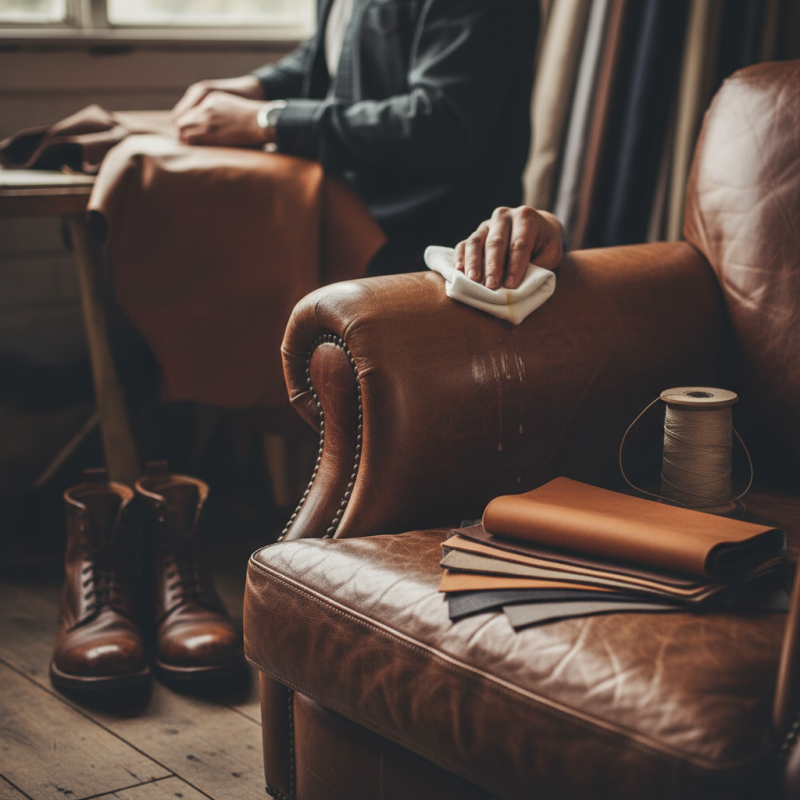
Taking care of leather involves effort. Regular conditioning is necessary to maintain its suppleness. Dry environments can harm leather, so keeping items away from direct heat sources is wise. A simple leather conditioner can work wonders. It keeps the material hydrated and prevents cracking. Remember to test any products on a small area first.
While leather is strong, it is not invincible. Scuffs and scratches can happen, and they can be frustrating. Often, these imperfections add character. But it is still essential to address them. Keeping a leather item properly stored can help avoid damage. Use dust bags or appropriate storage solutions when not in use. Small adjustments can make a big difference in preserving leather's exceptional qualities.
Benefits of Using Leather Material
The Aesthetic Appeal of Leather in Design and Style
Leather has long been treasured for its aesthetic appeal in design and style. Its unique textures and rich tones elevate any space or outfit. A study by the International Council of Tanners found that leather can increase perceived value in fashion by 20%. This material conveys luxury, sophistication, and timelessness.
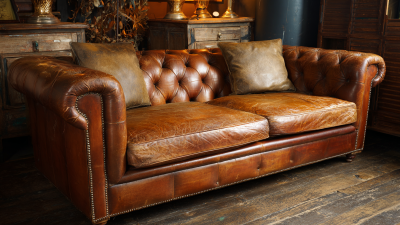
When used in interior design, leather brings a sense of warmth and comfort. Designers often choose leather for sofas and chairs. A survey conducted by the American Home Furnishings Alliance showed that 60% of consumers prefer leather furniture for its durability and elegance. However, leather requires maintenance, which can deter some consumers. Beyond cleaning, it might develop wrinkles over time, challenging its pristine look.
In fashion, leather jackets and bags remain timeless staples. They exude a certain edginess and personality. The Global Fashion Industry report indicates that leather apparel is a multi-billion dollar market. Yet, styles can sometimes feel repetitive. Emerging designers must innovate while respecting tradition. This balancing act speaks to the evolving role of leather in fashion and design.
What Are the Benefits of Using Leather Material?
| Benefit |
Description |
Applications |
| Durability |
Leather is a strong and long-lasting material, able to withstand wear and tear. |
Furniture, bags, shoes |
| Aesthetic Appeal |
Leather has a unique texture and richness, enhancing the visual appeal of products. |
Interior design, fashion |
| Comfort |
Leather adapts to body temperature, ensuring a comfortable fit and feel. |
Clothing, automotive interior |
| Versatility |
Can be used in various applications across different industries due to its diverse properties. |
Accessories, upholstery, sports equipment |
| Sustainability |
When sourced responsibly, leather can be a sustainable choice compared to synthetic materials. |
Eco-friendly products, luxury items |
Sustainability and Eco-Friendliness of Leather Production
The sustainability of leather production often sparks debate. Leather comes from animals, which raises ethical concerns. However, it can also be a biodegradable material. When properly sourced, it can be part of a sustainable cycle.
Leather production can create waste. Yet, when tanned and crafted well, it stands the test of time. This durability reduces the need for frequent replacements. Choosing quality leather can mean fewer resources used over time. The byproducts of leather can also be recycled into other materials. This reduces overall waste from livestock farming.
However, the tanning process can involve harmful chemicals. Not all tanneries prioritize eco-friendly practices. Transparency in the industry is still lacking. Consumers must research and choose wisely. Supporting sustainable practices helps push the industry towards a better future. Sustainable leather can align with environmentally conscious choices, but individuals must remain vigilant.
Comfort and Breathability: Benefits of Leather for Wearability
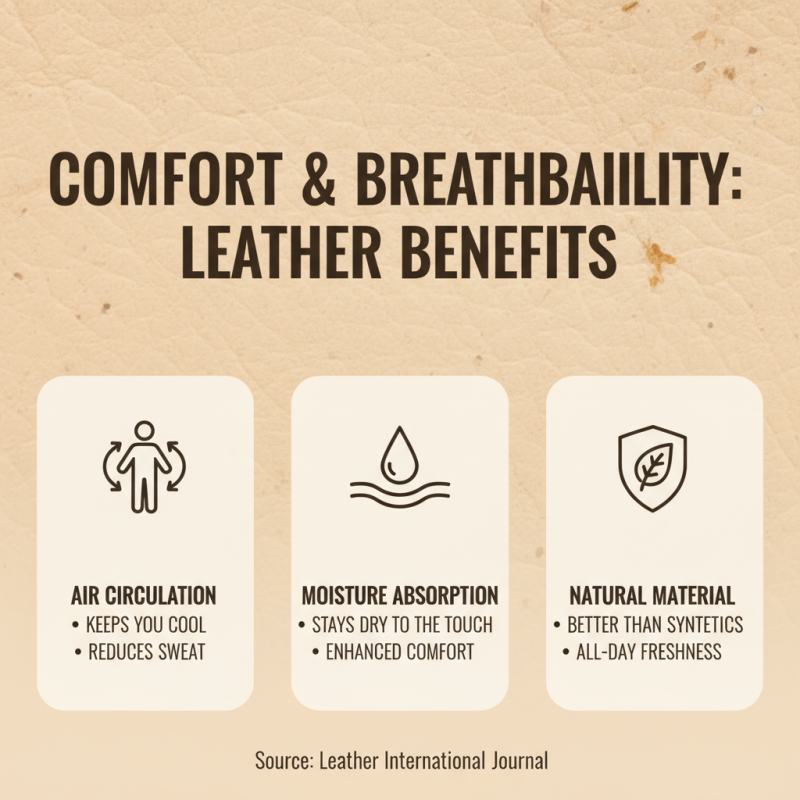
Leather has long been celebrated for its comfort and breathability. Studies show that leather is more breathable than synthetic materials. This means that, during warm days, leather allows air to circulate. As a result, it keeps your body cool and dry. According to a report from the Leather International Journal, leather can absorb moisture without feeling damp. This feature enhances the overall comfort level for wearers.
The breathability aspect also contributes to the durability of leather. A 2022 industry survey indicated that with proper care, leather can last for decades. However, it requires attention. Improper conditioning can lead to dryness and cracking. Many people overlook this. Ignoring maintenance may reduce the lifespan of leather goods significantly.
Earthen tones are often more popular in leather products. They often create a timeless appearance that breathes life into any wardrobe. Yet, the natural imperfections in leather are beautiful. Each mark tells a story. Embracing these flaws is part of appreciating the material.