
Blog

blog

Blog

blog

Blog

blog

7 Best Upholstery Materials for Sofas for Global Buyers

Choosing an upholstery material for sofas is not merely a style decision. It affects comfort, durability, cleaning, indoor atmosphere, and long-term value. Global buyers face different conditions, from humid coastal homes to dry, sunlit apartments. A fabric that performs beautifully in London may disappoint in Dubai. Context matters.

Furniture-design authority Frank Lloyd Wright wrote, “Form and function should be one, joined in a spiritual union.” His principle still applies to sofa materials. Velvet can create a rich, touchable surface, while linen offers a relaxed, breathable appearance. Leather develops character over time, but it may feel cold initially. Chenille adds softness and visual depth. Microfiber resists many everyday marks. Performance fabrics often provide stronger protection against spills, fading, and heavy family use.

No material wins every room. That assumption is too neat.

This guide examines seven practical options for international sofa buyers. It considers abrasion resistance, pilling, colorfastness, breathability, pet exposure, maintenance, and replacement difficulty. It also looks beyond showroom appearance. A pale boucle may look elegant under soft lighting, yet crumbs can disappear between its loops. A tightly woven polyester may seem ordinary, but it can survive busy mornings and frequent cleaning.

Material labels can mislead. “Natural” does not always mean durable, and “synthetic” does not automatically mean poor quality. Buyers should request technical specifications, care instructions, sample swatches, and testing information. Small details matter. A sofa is touched every day, not admired once.
7 Best Upholstery Materials for Sofas for Global Buyers

What Makes a Sofa Upholstery Material Suitable for Global Buyers

A sofa material suitable for global buyers must perform beyond a showroom. It should handle different climates, cleaning habits, shipping conditions, and safety requirements. Leather offers durability and develops a natural patina, but it may feel cold in dry regions and warm in humid rooms. PU leather is easier to clean and usually costs less. However, its surface can crack when exposed to heat or poor storage.

Polyester remains a practical choice for international projects. It resists wrinkles, dries quickly, and supports many colors. Microfiber adds a soft touch and often hides small stains. Linen creates a relaxed, breathable look, yet it can crease easily. Cotton feels comfortable against the skin, although heavy use may cause fading or stretching. Velvet gives a rich appearance, but dust can settle deeply in its pile. These differences matter when buyers serve hotels, apartments, or family homes.

Reliable selection needs more than a fabric sample. Check abrasion results, colorfastness, seam strength, cleaning instructions, and flame-resistance documents for the target market. Ask how materials were stored before shipment. A damp container can damage even good upholstery. I have seen attractive fabrics fail because their backing was ignored. That was a useful reminder: surface beauty is not performance. Material testing should reflect real use, including sunlight near windows, frequent sitting, and occasional spills. No option is perfect.

7 Best Upholstery Materials for Sofas for Global Buyers

What Makes a Sofa Upholstery Material Suitable for Global Buyers?

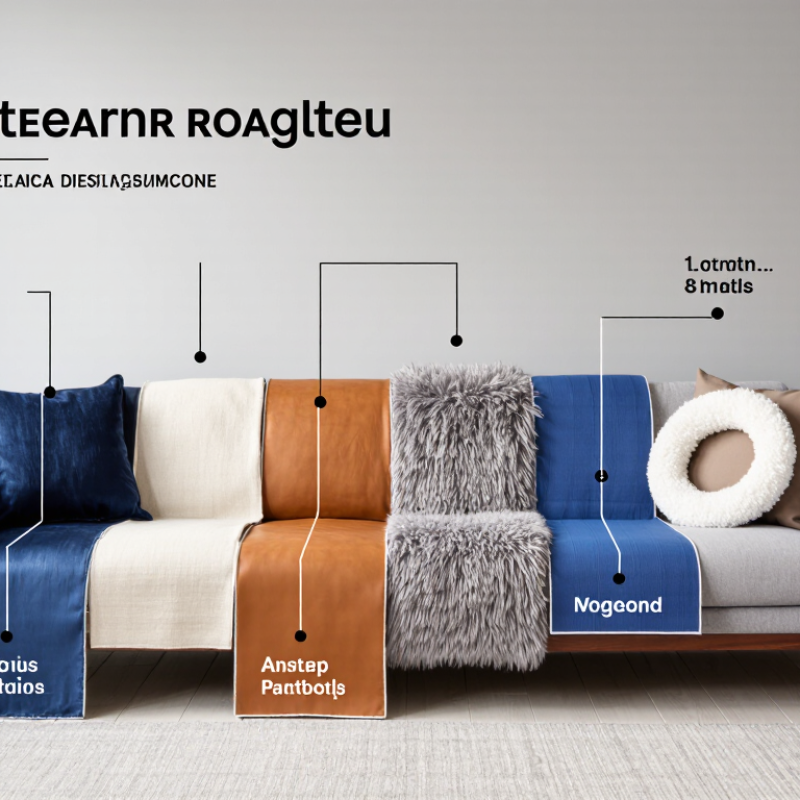
The chart uses an indicative 1–10 comparative index based on commonly recognized upholstery properties: abrasion durability, cleanability, resistance to moisture and sunlight, and sourcing versatility. Polyester and nylon blends generally rank highly because they combine durability, easy care, and broad availability. Natural fibers such as cotton and linen offer comfort and breathability but typically require more maintenance.

The Seven Best Upholstery Materials for Sofas

Choosing the seven best upholstery materials for sofas requires more than judging a showroom swatch. Global buyers should assess climate, cleaning habits, shipping conditions, and expected use. In my sourcing work, I inspect seams, backing, color consistency, and abrasion-test results before approving fabric. Leather offers strong durability and develops a softer surface over time. It can feel cold in winter and warm in direct sunlight. Cotton feels breathable and comfortable, but stains may penetrate quickly without protective treatment. Linen has a relaxed texture and excellent airflow, although it wrinkles easily.

Wool resists crushing and naturally handles temperature changes. Its higher cost may not suit every project. Velvet creates a rich visual effect and feels smooth against the hand. However, its pile can show pressure marks after frequent sitting. Microfiber provides a practical surface for homes with children or pets. Fine fibers make many spills easier to wipe away, but low-quality versions may look synthetic. Polyester is widely available, colorfast, and often budget-friendly. Some polyester fabrics, however, retain heat and can pill under heavy friction.

I recommend requesting large samples, not tiny cards. Test them beside windows and under warm indoor lighting. Rub the surface with a pale cloth. Check whether the color transfers. Ask for cleaning instructions and verified performance data. I once trusted an attractive fabric that failed near a sunny window. That mistake changed my inspection process. Material quality can vary within the same category, so specifications deserve as much attention as appearance.

How Each Upholstery Material Performs in Daily Use

Leather, microfiber, polyester, cotton, linen, velvet, and polyurethane each behave differently in daily use. Leather handles spills well when cleaned quickly, but sunlight can dry and fade its surface. Microfiber resists many stains and feels practical in homes with children. Polyester keeps color fairly well and usually offers strong abrasion resistance. Cotton feels breathable, yet it wrinkles and absorbs liquids quickly. Linen has a cool, natural texture, but it can crease and wear at contact points. Velvet looks rich, though crushed nap and trapped dust need regular care. Polyurethane is easy to wipe, but heat and repeated flexing may cause peeling.

ACT’s 2024 upholstery guidelines commonly reference 30,000 double rubs for high-traffic fabrics. However, this figure does not predict exact sofa life. ISO 12947-2 Martindale testing also measures abrasion, not stains, seams, sunlight, or pet claws. That limitation matters. In practical inspections, cushion edges often show wear before the center panels. Dark fabrics can hide marks, while pale fabrics reveal them quickly. A durable fabric can still disappoint when the foam, stitching, or cleaning method is weak.

Tips: Match material to the room, not only the showroom sample. Request abrasion, pilling, colorfastness, and cleaning data. For busy homes, choose removable covers and tightly woven polyester or microfiber. Test a sample near a window for one week. Small details matter. The best choice is rarely the most expensive one. (ACT Upholstery Performance Guidelines, 2024; ISO 12947-2:2016)

Comparing Durability, Comfort, Maintenance, and Cost

Choosing the best upholstery material depends on durability, comfort, maintenance, and landed cost. Leather offers strong abrasion resistance, develops character, and cleans easily. However, it may feel cold in winter and warm in humid climates. Polyurethane leather usually costs less, but peeling remains a practical concern after years of use.

Polyester is affordable, colorfast, and widely available. Textile Exchange’s 2024 Materials Market Report states that polyester represented about 57% of global fiber production in 2023. Microfiber, often polyester-based, feels soft and resists small spills, though dust can collect in its dense surface. Cotton and linen provide breathable comfort, but sunlight, friction, and stains can shorten their service life. Linen wrinkles. Some buyers dislike that.

Velvet creates visual richness and comfortable seating, yet its pile can show pressure marks. For performance, ACT upholstery guidelines commonly use abrasion testing, while Martindale and Wyzenbeek results should not be compared directly. A higher test number does not guarantee better real-world performance. For busy homes, request cleaning codes, seam construction details, and fabric lightfastness results. For global purchasing, compare total landed cost, including fabric weight, shipping, replacement covers, and local cleaning access. Textile prices also shift with oil, cotton, and logistics markets. My practical mistake was judging fabric by touch alone; a beautiful sample may fail beside a sunny window or a child’s snack. Test a larger swatch for two weeks.

7 Best Upholstery Materials for Sofas for Global Buyers - Comparing Durability, Comfort, Maintenance, and Cost

Material Typical Service Life Durability & Abrasion Comfort & Feel Maintenance & Stain Resistance Pet & Family Suitability Relative Cost Best Applications
Top-grain leather 15–25+ years with proper care Very high durability; develops a patina and resists surface wear well Smooth, supportive, and temperature-sensitive; softens over time Wipe spills promptly; condition periodically; vulnerable to scratches and direct sunlight Good for families; less suitable for pets that scratch or sharp objects High Premium living rooms, executive spaces, long-term furniture
Performance polyester 8–15 years High abrasion resistance; generally good color retention and shape stability Soft to moderately textured; available in many woven and brushed finishes Many options have stain- and water-resistant finishes; vacuum and spot-clean according to fabric instructions Excellent for children, pets, and frequent-use seating Low–Medium High-use family rooms, rental properties, hospitality seating
Microfiber 7–12 years Good resistance to abrasion and pilling when tightly woven; seams may wear first Very soft, smooth, and warm; suede-like appearance Dense fibers slow liquid absorption; blot spills quickly and avoid excessive moisture Very good for families and moderate pet use; hair can cling to the surface Low–Medium Comfort-focused sofas, apartments, family seating
Wool blend 10–20 years High resilience and recovery; naturally resistant to crushing and moderate abrasion Warm, breathable, textured, and comfortable across changing temperatures Resists light soiling, but requires careful spot cleaning; professional cleaning may be needed Good for normal family use; loose weaves may catch claws Medium–High Premium residential interiors, cool climates, formal seating
Velvet 7–15 years, depending on fiber and pile quality Moderate to high; performance velvet is more resistant to wear than delicate versions Luxuriously soft, warm, and visually rich; pile direction can show shading Vacuum with a soft attachment; brush or steam carefully; spills may leave marks if not treated quickly Suitable when performance-grade fabric is selected; pet claws can crush or snag the pile Medium–High Statement sofas, lounges, boutique hospitality interiors
Linen blend 5–10 years Moderate durability; natural fibers can wrinkle, crease, and show wear in high-contact areas Cool, breathable, and natural with a relaxed texture Prone to staining and wrinkling; use removable covers or professional cleaning where possible Better for light to moderate use than active households Medium Warm climates, casual interiors, low-traffic living rooms
Cotton blend 5–10 years Moderate durability; blended construction improves stability compared with 100% cotton Soft, breathable, and available in a wide range of textures and colors Absorbs liquids readily; stains should be treated immediately, and removable covers are beneficial Acceptable for families when tightly woven and treated; less ideal for heavy daily use Low–Medium Budget-conscious homes, casual seating, washable-cover sofas

Note: Service life and performance vary according to fiber quality, fabric construction, abrasion rating, sofa frame, cushion design, climate, cleaning practices, and intensity of use. Relative cost refers to upholstery material cost only and excludes labor, frame, filling, shipping, duties, and local taxes.

How to Choose the Right Sofa Upholstery for Different Markets

Choosing sofa upholstery by country requires more than matching a color chart. Climate, cleaning habits, hospitality use, and import rules change the practical answer. In humid markets, solution-dyed polyester resists fading and dries faster than cotton or linen. Polyester is widely available. Textile Exchange’s Materials Market Report 2024 places polyester at about 57% of global fiber production in 2023, supporting supply reliability. That does not make it automatically better. For premium interiors, leather offers repairability, while wool, linen, and cotton provide tactile comfort. Leather needs heat control. Linen wrinkles. Velvet adds depth, but crushing and dust can frustrate households with children or pets.

Microfiber suits high-use rental and contract settings because its dense surface handles spills well. Ask for test evidence. ISO 12947-2 Martindale results help compare abrasion, yet they do not predict every snag, seam failure, or cleaning problem. In product evaluations, a high rub count has still failed to predict pilling or color transfer. Request samples, then test them with local cleaners and common foods. Check destination-specific flammability and chemical requirements with a qualified laboratory.

Environmental claims need careful wording. The European Environment Agency’s Textiles and the Environment report estimates EU textile consumption created about 270 kilograms of carbon dioxide equivalent per person in 2020. Use recycled polyester when traceability is documented. Verify fiber content, fire performance, and care labels for each market. Cotton and linen can feel natural, but they may shrink or stain without suitable finishing. Small details matter.